Breast Reduction and Lift with Shaping
Breast Reduction Surgery in Mumbai
Relieve the Weight. Restore Your Comfort. Rediscover Your Confidence.
Living with excessively large breasts can affect much more than your appearance. For many women, it means coping with persistent neck, shoulder, and upper back pain, deep bra strap grooves, recurring skin irritation beneath the breasts, poor posture, and difficulty exercising or performing everyday activities. Even finding clothes that fit comfortably or sleeping in certain positions can become frustrating.
The emotional impact can be just as significant. Some women avoid sports, fitted clothing, or social occasions because they feel self-conscious about their breast size or receive unwanted attention. Over time, these physical and emotional challenges can affect confidence, mobility, and overall quality of life.
Breast Reduction Surgery, also known as Reduction Mammoplasty, is designed to reduce the size and weight of the breasts while improving their shape and proportion. By removing excess breast tissue, fat, and stretched skin, the procedure creates breasts that are lighter, more balanced, and better suited to your body frame. The goal is not simply to reduce breast size—it is to improve comfort, posture, mobility, and confidence while maintaining natural-looking results.
Whether your priority is relief from chronic discomfort, better body proportions, or greater confidence in your daily life, breast reduction surgery can be a life-changing procedure when carefully planned and performed.
Thinking about breast reduction surgery? Schedule a consultation to discuss your symptoms, treatment goals, expected breast size, recovery, and the most suitable surgical approach for your body.

Is Breast Size Affecting Your Daily Life?
Many women learn to live with the discomfort caused by overly large breasts without realizing that an effective surgical solution is available. While every woman's experience is different, excessively heavy breasts can interfere with daily life in ways that extend far beyond appearance.
The constant weight of large breasts places additional strain on the muscles and joints of the neck, shoulders, and upper back. Over time, this may contribute to chronic pain, muscle fatigue, and poor posture. Deep grooves caused by supportive bra straps are another common concern, often resulting from the continuous pressure required to support heavier breasts.
Skin problems are equally common. Sweat and friction beneath the breast fold can create an ideal environment for recurrent rashes, irritation, or fungal infections that frequently return despite creams or medications.
Physical activities that should feel enjoyable—such as jogging, yoga, swimming, or gym workouts—may become uncomfortable or even painful. Many women also find it difficult to purchase supportive bras or clothing that fits properly, leading to frustration and limited wardrobe choices.
The emotional impact should not be overlooked. Feeling self-conscious about breast size, avoiding fitted clothing, or receiving unwanted attention can gradually affect confidence and self-esteem.
Breast reduction surgery is often chosen because it addresses both the physical and emotional effects of excessively large breasts. By reducing breast volume and improving breast shape, the procedure can help patients move more comfortably, exercise more confidently, and enjoy a better quality of life.

Common Problems Breast Reduction Surgery Can Help Address
Breast reduction surgery may provide relief from several concerns associated with overly large breasts, including:
Physical Symptoms
Chronic neck, shoulder, and upper back pain
Deep grooves caused by bra straps
Poor posture due to the weight of the breasts
Skin irritation, rashes, or fungal infections beneath the breast fold
Discomfort while sleeping
Breast asymmetry associated with excessive breast volume
Lifestyle Challenges
Difficulty exercising or participating in sports
Limited clothing and bra options
Discomfort during walking, running, or climbing stairs
Reduced mobility during everyday activities
Emotional Concerns
Low self-confidence
Self-consciousness about breast size
Unwanted attention in social settings
Feeling uncomfortable in fitted clothing
While the symptoms vary from person to person, many women experience a noticeable improvement in comfort, mobility, and confidence after breast reduction surgery.
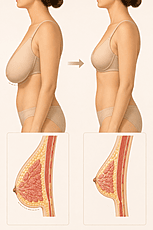
What Is Breast Reduction Surgery (Reduction Mammoplasty)?
Breast Reduction Surgery, medically known as Reduction Mammoplasty, is a procedure performed to reduce the size, weight, and volume of the breasts while improving their shape, symmetry, and position.
During surgery, excess breast tissue, fat, and loose skin are removed, and the remaining breast tissue is reshaped to create breasts that are better proportioned to your body. If required, the nipple and areola are repositioned to a more youthful location while maintaining a natural appearance.
Unlike weight loss, which primarily reduces fatty tissue, breast reduction surgery addresses multiple components of the breast, including glandular tissue, excess skin, and breast volume. This allows the procedure to provide significant relief from heaviness while improving breast contour and support.
Rather than aiming for a specific bra cup size, the focus is on achieving breasts that are comfortable, balanced, and proportionate to your body frame. Surgical planning takes into account your chest width, existing breast volume, skin quality, body proportions, and personal expectations to achieve a safe and aesthetically pleasing outcome.
Weight Loss vs Breast Reduction Surgery
Many patients delay treatment wondering if targeted fat loss can eliminate the need for surgery. While systemic weight loss may decrease the fatty component of the breasts, it is anatomically incapable of removing dense glandular tissue or contracting stretched skin.
| Functional Metric | Systemic Weight Loss | Dr. Saumil Shah’s Surgical Reduction |
|---|---|---|
| Tissue Target | Reduces generalized systemic fat only | Direct removal of dense glandular tissue, fat, and skin. |
| Sagging Correction | Often worsens ptosis as the fat empties, leaving loose skin. | Simultaneously lifts, tightens, and reshapes the skin envelope. |
| Nipple Alignment | The nipple remains elongated and pointing downward. | Precise nipple repositioning to a youthful, forward-facing apex. |
| Symmetry Control | Provides minimal to no structural correction for uneven breasts. | Meticulously balances and adjusts breast asymmetry. |
Weight loss and breast reduction surgery are not competing treatments. Instead, they address different concerns, and the most appropriate option depends on your anatomy, symptoms, and treatment goals.
How Breast Reduction Surgery Can Improve Your Quality of Life
Although breast reduction surgery creates a more balanced breast shape, many women choose the procedure because of the significant improvement it can bring to everyday life. Breast reduction is among the commonly performed aesthetic procedures worldwide according to the International Society of Aesthetic Plastic Surgery.
Physical Benefits
Following recovery, many patients notice improvements such as:
Relief from chronic neck, shoulder, and upper back pain
Reduced pressure from bra straps
Improved posture and body balance
Greater comfort during exercise and physical activities
Reduced skin irritation beneath the breasts
Improved breast symmetry and proportion
Better fitting clothes and supportive bras
Reducing the weight carried by the chest often makes routine daily activities more comfortable and less physically demanding.
Emotional & Lifestyle Benefits
The benefits extend beyond physical relief. Many women also experience positive changes in confidence and lifestyle after surgery.
These may include:
Greater confidence in everyday clothing
Increased comfort in social situations
Improved body image
Freedom to participate in sports and recreational activities
Reduced self-consciousness about breast size
For many patients, breast reduction surgery is about feeling comfortable in their own body again rather than simply changing appearance.
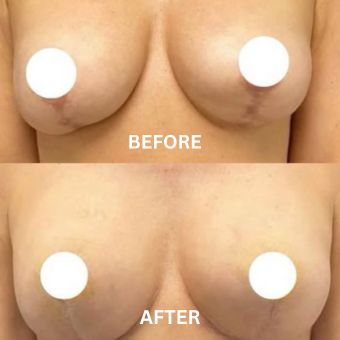
Real Patient Results: Breast Reduction Before & After Gallery
Every patient has unique anatomy, goals, and healing characteristics. The before-and-after photographs below demonstrate how breast reduction surgery can improve breast proportion, reduce excess weight, reposition the nipples, and create a more balanced body contour.
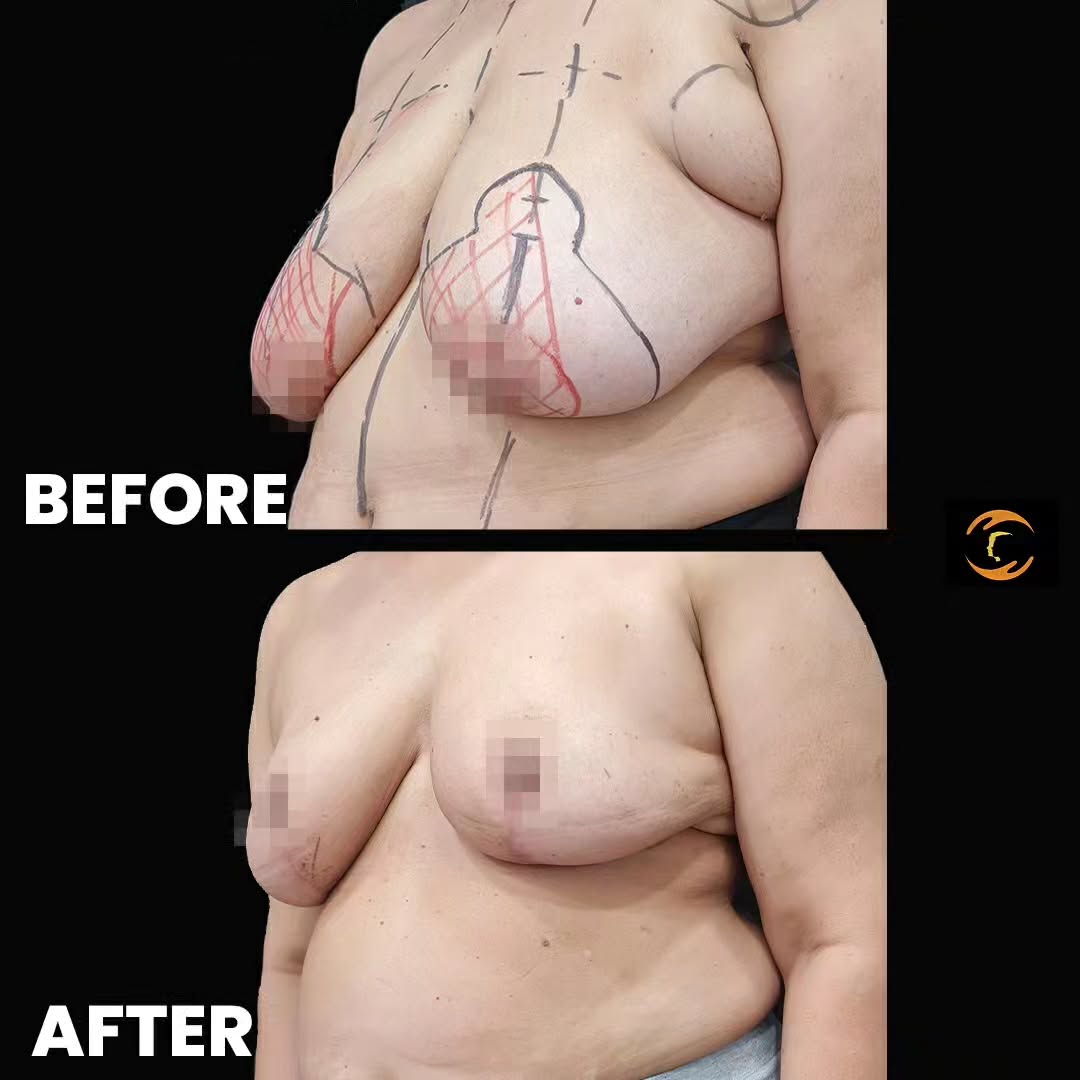
Remarkable results of breast reduction surgery
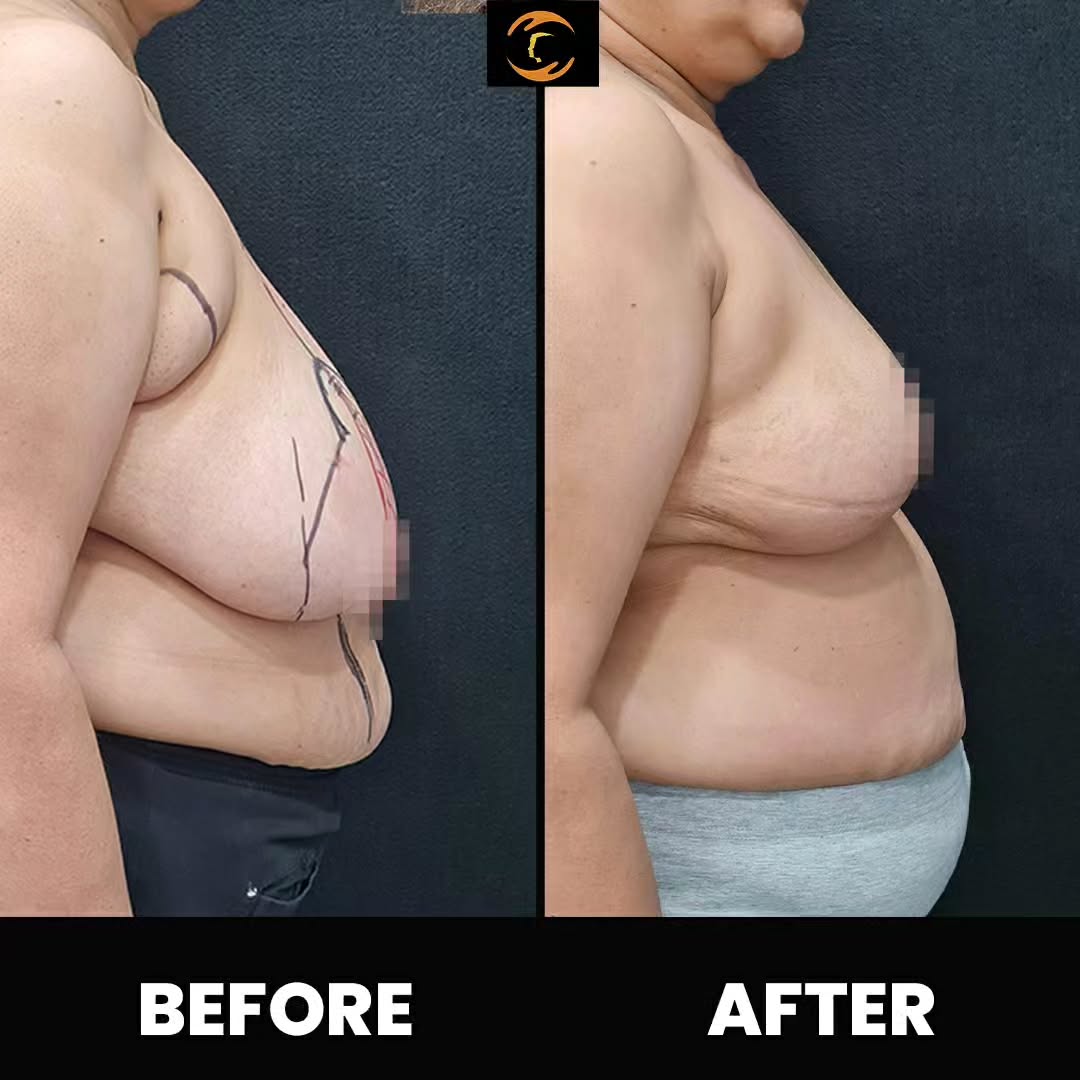
Removed staggering 1.2 kgs on each side
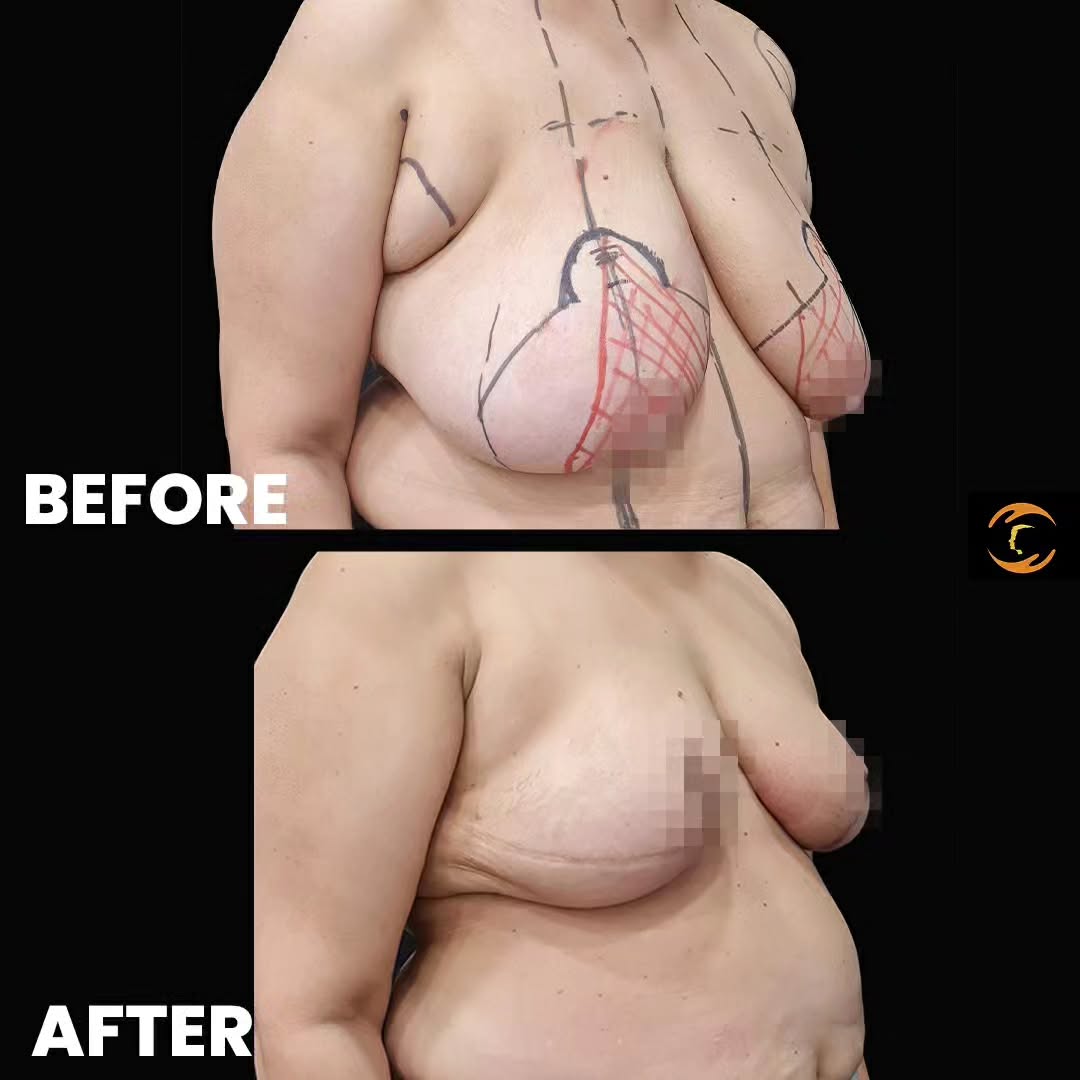
Remarkable results enhancing both aesthetics and comfort
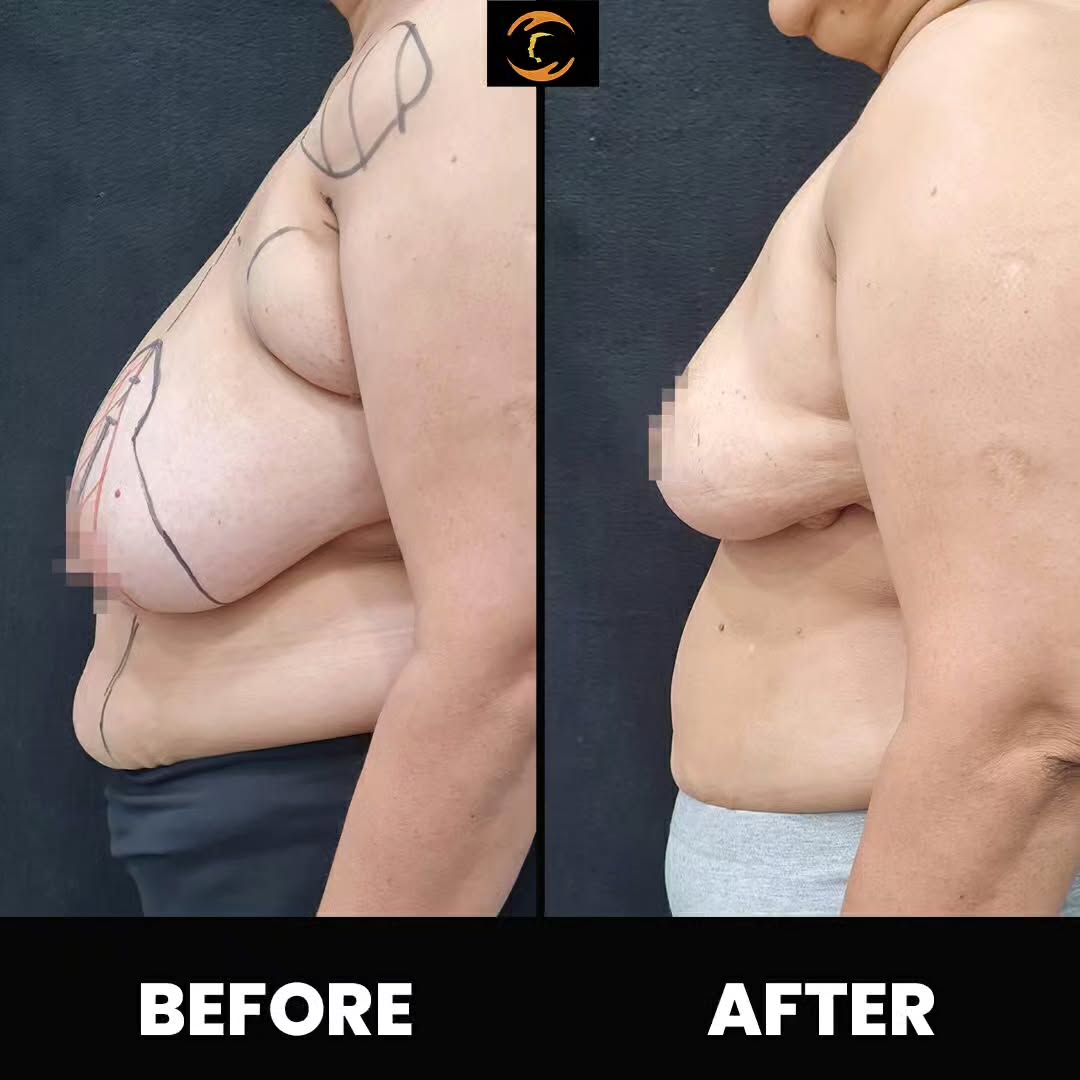
Axillary treatment targeted those underarm bulges
*Results vary from patient to patient depending on anatomy, surgical technique, healing, and individual goals.
Who Is the Right Candidate for Breast Reduction Surgery?
Breast reduction surgery may be suitable for women whose breast size causes physical discomfort or affects their quality of life. Rather than deciding based on cup size alone, candidacy is determined by symptoms, overall health, body proportions, and personal goals.
You may be a suitable candidate if you:
Experience chronic neck, shoulder, or upper back pain
Have deep shoulder grooves caused by bra straps
Develop recurrent skin irritation or fungal infections beneath the breasts
Find exercise uncomfortable because of breast size
Struggle to find supportive bras or properly fitting clothing
Feel emotionally distressed or self-conscious due to large breasts
Have breast asymmetry or disproportionately large breasts
Have completed breast development
Are in good general health and have realistic expectations
Some women may be advised to postpone surgery if they are planning pregnancy in the near future, have uncontrolled medical conditions, or are actively losing a significant amount of weight. These factors are discussed during the consultation to determine the most appropriate treatment plan.
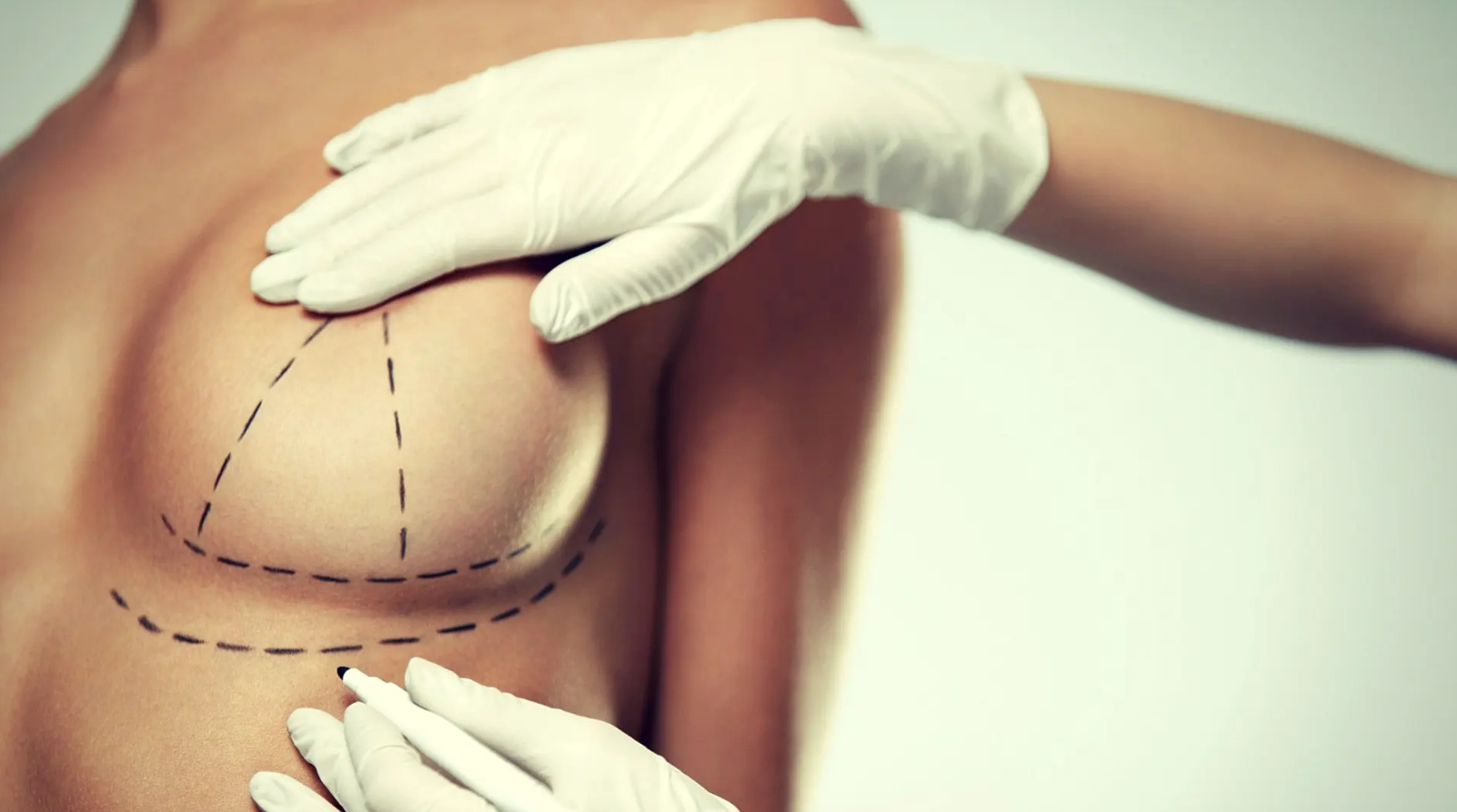
How Much Smaller Will My Breasts Be After Surgery?
One of the most common questions women ask is, "What cup size will I be after breast reduction surgery?"
Although patients usually think in terms of bra cup sizes, surgeons measure tissue removal in grams and plan the procedure based on your body proportions rather than a specific cup size.
Several factors influence the final breast size, including:
Current breast size and breast volume
Chest width and body frame
Height and Body Mass Index (BMI)
Skin elasticity and degree of breast sagging
Quality and density of breast tissue
Your desired appearance and lifestyle
Understanding Breast Size Reduction
| Current Breast Size | Possible Outcome* |
|---|---|
| G Cup | D Cup |
| F Cup | C–D Cup |
| E Cup | C Cup |
*These examples are for illustration only. The final breast size varies for each patient and is planned to achieve safe, balanced, and natural-looking proportions.
Rather than chasing a specific cup size, the goal is to create breasts that are lighter, comfortable, and proportionate to your body.
Breast Reduction Surgery Techniques
No single technique fits all anatomical profiles. Dr. Saumil selects the precise surgical framework based on the current volume, tissue density, and the distance the nipple-areola complex must be elevated.
Vertical (Lollipop) Technique
The lollipop technique is commonly recommended for women with mild to moderate breast enlargement and sagging. It involves:
An incision around the areola
A vertical incision extending to the breast crease
This technique offers less extensive scarring, good breast projection, improved breast shape, and faster healing in selected patients.
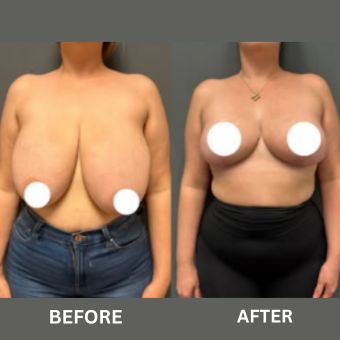
Wise Pattern (Anchor) Technique
The anchor technique is often preferred for women with significantly larger breasts or severe sagging. It allows:
Greater tissue removal
Better reshaping of the breast
Improved long-term support and enhanced breast symmetry
Although it involves a longer incision, it remains one of the most reliable techniques for larger breast reductions.
Free Nipple Graft
For women with extremely large breasts (gigantomastia), a Free Nipple Graft may occasionally be recommended. This technique allows significant breast reduction while prioritizing safety in carefully selected cases. The advantages, limitations, expected scars, and recovery are discussed in detail during your consultation.
Can You Breastfeed After Breast Reduction Surgery?
Many women planning future pregnancies worry that breast reduction surgery will prevent breastfeeding.
The ability to breastfeed depends on several factors, including the surgical technique used and your natural breast anatomy.
Whenever appropriate, techniques that preserve the blood supply and tissue connections to the nipple are preferred, as these may help maintain the ability to breastfeed. However, breastfeeding cannot be guaranteed because milk production is influenced by multiple biological factors.
In rare situations where a Free Nipple Graft is required for very large breasts, the nipple is separated from the underlying milk ducts. In these cases, breastfeeding is generally not possible after surgery.
If pregnancy is part of your future plans, discuss this during your consultation so it can be considered when selecting the most suitable surgical approach.

Watch & Learn: Breast Reduction Surgery Videos
Understanding your procedure can help you make a more informed decision. Watch these educational videos where common questions about breast reduction surgery, recovery, expected results, and surgical planning are explained.
 Breast reduction plus lift in 14 days?
What Happens During Your Consultation?
A successful breast reduction procedure begins long before surgery. The consultation is an opportunity to understand your concerns, evaluate your breast anatomy, and create a treatment plan that aligns with your body proportions and expectations.
During your consultation, the following are carefully assessed:
Medical history and current health
Breast size, shape, and symmetry
Degree of breast sagging
Skin quality and elasticity
Position of the nipple-areola complex
Symptoms such as neck pain, shoulder pain, back pain, or skin irritation
Lifestyle and activity level
Desired breast size and expectations
Photographs and clinical measurements may also be taken to assist with surgical planning.
You will receive a detailed explanation of:
The recommended surgical technique
Expected breast shape and size
Scar placement
Recovery timeline
Possible risks and complications
Postoperative care instructions
This consultation is designed to help you make an informed decision while ensuring that the treatment plan is tailored to your individual needs rather than following a standardized approach.
Can Breast Reduction Surgery Be Combined with Axillary Liposuction?
Some women notice fullness or excess fat extending from the outer breast towards the underarm, commonly referred to as axillary fullness or side-breast bulge. Although breast reduction surgery improves breast size and shape, it may not always address this area completely.
For selected patients, axillary liposuction can be performed alongside breast reduction surgery to improve the transition between the breast and the underarm, creating a smoother and more balanced contour.
Whether this additional procedure is recommended depends on:
The amount of excess fat in the underarm area
Skin quality and elasticity
Overall body proportions
Your aesthetic goals
This is assessed during your consultation, and a personalized treatment plan is developed based on your anatomy.
Advanced Surgical Safety & Comfort Protocols
Patient safety is an essential part of every surgical procedure. Modern operating techniques and carefully planned safety measures help improve comfort, support recovery, and maintain high standards of surgical care.
The following protocols are incorporated throughout the surgical journey:
| Surgical Parameter | Approach | Patient Benefit |
|---|---|---|
| General Anaesthesia | Experienced anaesthesia team | Safe and comfortable surgery |
| Pain Management | Targeted nerve blocks | Improved postoperative comfort |
| DVT Prevention | Sequential compression devices | Supports healthy blood circulation |
| Temperature Management | Medical warming systems | Maintains body temperature during surgery |
| NABH Hospital | Advanced monitoring and safety standards | Quality surgical care |
These measures are part of a comprehensive approach to making the surgical experience as safe and comfortable as possible.
Recovery After Breast Reduction Surgery
Recovery is a gradual process, and every patient heals differently. While you will notice an immediate reduction in the weight of your breasts, swelling and mild discomfort are expected during the initial healing period.
Most patients are encouraged to begin gentle walking soon after surgery to improve circulation. A supportive surgical bra should be worn as advised to reduce swelling and support the healing tissues.
Heavy lifting, strenuous exercise, and upper-body workouts should be avoided until your surgeon confirms that healing is progressing appropriately.
Recovery Timeline
| Time | Recovery |
|---|---|
| Day 1 | Mild discomfort, dressings, supportive bra |
| Week 1 | Walking comfortably, swelling begins to improve |
| Week 2 | Return to desk work for many patients |
| Week 4 | Light exercise as advised |
| Week 6 | Resume most normal activities |
| Month 3 | Breasts soften and settle into shape |
| Month 12 | Scars mature and final results become more apparent |
Attending scheduled follow-up appointments is important to monitor healing and address any concerns throughout your recovery.

Proactive Post-Operative Scar Management
Breast reduction surgery involves permanent incisions, but scars generally become softer and less noticeable over time.
Scar Healing Timeline
| Stage | What to Expect |
|---|---|
| 2 Weeks | Incisions heal |
| 6 Weeks | Scars begin to soften |
| 3 Months | Redness gradually reduces |
| 6 Months | Scars continue to flatten |
| 12 Months | Mature scars become lighter in most patients |
Risks & Possible Complications
Like any surgical procedure, breast reduction surgery involves potential risks. Understanding these risks helps you make an informed decision and prepare for surgery with realistic expectations.
Possible complications include:
Bleeding or hematoma
Infection
Temporary swelling and bruising
Delayed wound healing
Temporary or permanent changes in nipple sensation
Breast asymmetry
Noticeable scars
Fat necrosis
Difficulty breastfeeding in some women
Rarely, reduced blood supply to the nipple or the need for revision surgery
Following your surgeon's instructions before and after surgery plays an important role in reducing the likelihood of complications and supporting a smooth recovery.
Breast Reduction Surgery vs Breast Lift
Although breast reduction surgery and breast lift surgery both improve breast shape, they are performed for different reasons.
| Breast Lift (Mastopexy) | Breast Reduction Surgery |
|---|---|
| Primarily lifts sagging breasts | Reduces breast size and lifts the breasts |
| Removes excess skin | Removes excess breast tissue, fat, and skin |
| Minimal reduction in breast volume | Significant reduction in breast volume |
| Best suited for women satisfied with breast size but concerned about sagging | Best suited for women with large, heavy breasts causing physical discomfort |
If your primary concern is breast heaviness, chronic pain, or oversized breasts, breast reduction surgery is generally the more appropriate treatment. If breast size is satisfactory but sagging is the main concern, a breast lift may be recommended instead.
Transparent Breast Reduction Cost Structure in Mumbai
The financial investment for a breast reduction depends on multiple surgical parameters rather than a single fixed price. The complexity of the tissue presentation, amount of glandular removal, incision pattern, choice of hospital facility, and specialized post-op garments all influence final costs.
At our practice, the total cost of Breast Reduction Surgery in Mumbai generally ranges between ₹1,25,000 and ₹3,00,000.
Transparent Pricing Breakdown
| Procedure | Cost (INR) | Cost (USD) |
|---|---|---|
| Breast Reduction | ₹1,25,000 – ₹3,00,000 | $1,500 – $3,500 |
| Breast Augmentation (Implants) | ₹1,25,000 – ₹2,09,000 | $1,500 – $2,500 |
| Breast Lift | ₹1,25,000 – ₹3,00,000 | $1,500 – $3,500 |
| Breast Lift With Augmentation (Implants) | ₹1,55,000 – ₹3,09,000 | $1,850 – $3,700 |
| Breast Augmentation Hybrid (Implants + Fat) | ₹1,50,000 – ₹2,20,000 | $1,800 – $2,600 |
Choosing your plastic surgeon should never be based on cost considerations alone. The clinician's operational experience, safety records, and artistic precision are the most critical metrics for your long-term health.

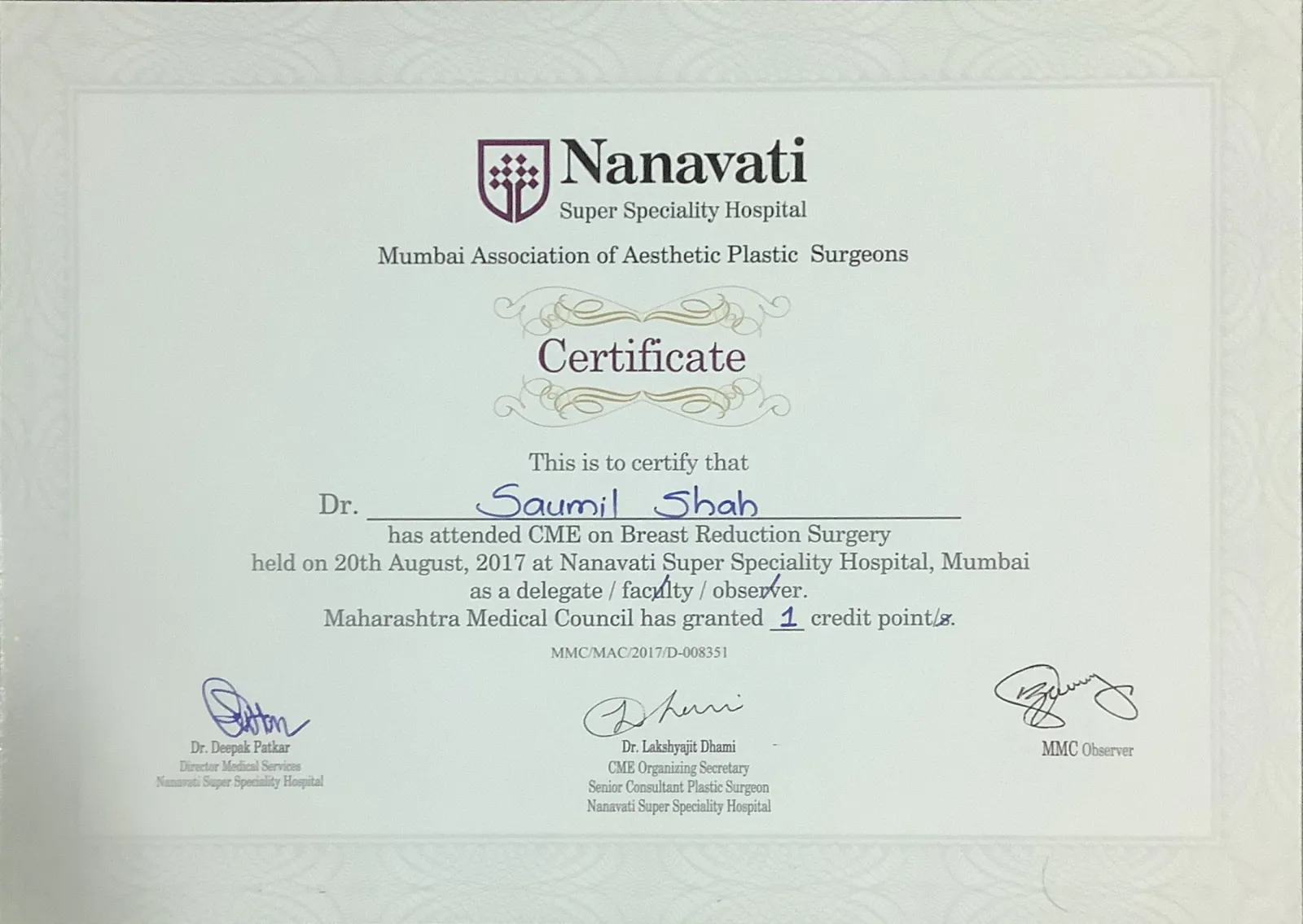
Why Choose Dr. Saumil Shah for Breast Reduction Surgery?
Breast reduction surgery requires a balance of technical precision, aesthetic judgment, and a thorough understanding of breast anatomy. Every procedure is planned with the goal of relieving physical discomfort while creating breasts that appear natural and proportionate to the patient's body.
Patients choose Dr. Saumil Shah because of:
Elite Board Credentials: MCh-qualified Plastic, Aesthetic & Reconstructive Surgeon.
Premier Institutional Foundation: Advanced training at India's legendary institutions, including KEM Hospital and Sion Hospital in Mumbai.
Anatomical Customization: Personalized treatment planning based on individual anatomy and frame proportions.
Advanced Pain Interception: Specialized recovery protocols utilizing targeted, long-acting intraoperative nerve blocks.
NABH-Accredited Security: All surgical procedures are executed within pristine, fully accredited hospital environments.
Uncompromising Integrity: Completely transparent treatment planning, honest risk outlines, and itemized fee schedules.
The focus is on achieving long-term functional relief, improved body proportions, and results that help patients feel comfortable and confident in their everyday lives.
Evidence-Based Medical References
This clinical page has been prepared using established plastic surgery principles and guidance from internationally recognized organizations including:
American Society of Plastic Surgeons (ASPS)
International Society of Aesthetic Plastic Surgery (ISAPS)
National Health Service (NHS)
Peer-reviewed publications in the Aesthetic Surgery Journal
For patients seeking full-body refinement alongside their breast reduction, our Mumbai clinic specializes in synergetic aesthetic procedures:
- Advanced Liposuction Solutions: Used precisely to eliminate stubborn adiposity and refine structural borders.
- Customized Breast Augmentation: To restore upper-pole fullness or combine fat grafting with lifting protocols.
- Male Breast Reduction (Gynecomastia Surgery): Advanced, minimally invasive gland and tissue excision tailored exclusively for men.
- Comprehensive Mommy Makeovers: A multi-layered, single-stage restoration combining abdominal tightening with breast balancing.
Our other Cosmetic Surgery Services in Mumbai:
Gyanecomastia Surgery in Mumbai | Tummy Tuck Surgery in Mumbai | Liposuction Surgery in Mumbai | Breast Augmentation Surgery In Mumbai | Breast Reduction Surgery in Mumbai | Rhinoplasty in Mumbai | Bralizian Butt Lift Surgery in Mumbai | Botox Treatment in Mumbai | Derma Filler Treatment in Mumbai | Thread Lift Surgery in MumbaiDr. Saumil Shah, a Board-Certified Plastic Surgeon in Mumbai, specializes in Rhinoplasty, Facelift, Breast Surgery, Tummy Tuck, and Liposuction, known for delivering consistent, excellent results.
© Dr. Saumil Shah | All Rights Reserved