Hair Transplantation
Hair Transplant Surgery in Mumbai
Hair loss and thinning hair can affect the appearance of the hairline, scalp coverage, and overall confidence. Hair transplantation is a surgical hair-restoration procedure that redistributes hair follicles from a donor area to areas affected by thinning or hair loss.
Hair transplant surgery in Mumbai can be considered for patients with suitable donor hair and stable enough hair-loss patterns for transplantation.
Dr. Saumil Shah, Plastic, Aesthetic & Reconstructive Surgeon in Mumbai, offers hair transplantation using techniques including Follicular Unit Extraction (FUE) and Follicular Unit Transplantation (FUT). The appropriate technique depends on factors such as the extent of hair loss, donor hair availability, scalp condition, and treatment goals.
Book a consultation with Dr. Saumil Shah to understand whether hair transplantation is suitable for you.
Hair Transplantation at a Glance
| Parameter | Details |
|---|---|
| Procedure | Hair Transplantation – FUE / FUT |
| Surgery Duration | Approximately 4–8 hours |
| Treatment Areas | Scalp, including frontal hairline, crown and sides |
| Anaesthesia | Local anaesthesia |
| Pain / Discomfort | Mild to moderate discomfort may occur during recovery |
| Visible Hair Growth | New hair growth generally begins around 3–4 months |
| Final Results | Hair growth continues to develop over approximately 12–18 months |
| Results | Transplanted follicles are intended to provide long-term hair growth |
| Hospital Stay | Outpatient procedure; no overnight stay |
| Initial Recovery | Approximately 1–2 weeks |
| Indicative Cost | ₹30,000 – ₹1,50,000 |
The treatment duration, number of grafts, recovery period and final cost vary depending on the extent of hair loss, donor hair availability, technique selected and individual treatment requirements.
What Is a Hair Transplant?
A hair transplant is a surgical procedure in which hair follicles are taken from a donor area and transplanted into areas affected by hair loss or thinning, known as the recipient area.
Hair transplantation is commonly used for scalp hair restoration, particularly in patients with pattern hair loss. Depending on the treatment plan, transplantation may also be considered for areas such as the eyebrows, beard or other selected areas.
The procedure can also be used in certain cases to improve the appearance of scars resulting from previous surgery, accidents or other causes.
The objective is to redistribute suitable donor hair to areas where greater coverage is required while creating a natural-looking hairline and overall hair density.
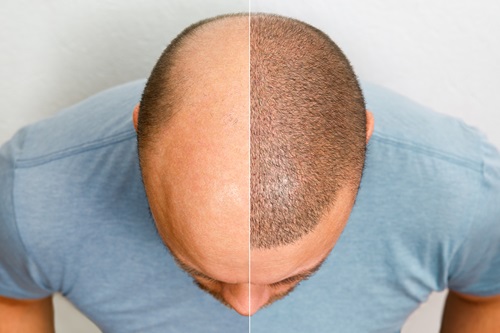
Why Do Patients Consider Hair Transplant Surgery?
Patients may consider hair transplantation when hair loss has affected areas such as the frontal hairline, temples, crown or other areas of the scalp.
Common concerns include:
Receding hairline
Thinning frontal scalp
Crown thinning
Reduced overall hair density
Pattern hair loss
Hair loss affecting confidence
Certain scars with reduced hair coverage
A hair transplant does not stop every cause of future hair loss. A proper assessment is therefore important to determine whether transplantation is appropriate and how the donor area can be used effectively.
Who Is a Good Candidate for Hair Transplantation?
Hair transplantation may be considered for patients who have sufficient healthy donor hair and areas that can benefit from transplantation. Factors that may be considered include:
Age and Hair-Loss Pattern: The current practice information notes that patients over 25 may have more stable and clearly established hair-loss patterns. However, age alone does not determine suitability. The cause and pattern of hair loss, donor supply and future hair-loss considerations are also important.
Donor Hair Availability: A sufficient supply of suitable donor hair is important because transplanted follicles must come from an available donor area.
Extent of Hair Loss: The degree and distribution of hair loss help determine how many grafts may be required and what level of coverage can realistically be achieved.
Hair Characteristics: Hair thickness, texture and characteristics can influence the visual coverage achieved after transplantation.
General Health: Good overall health is important for elective surgery and recovery.
During consultation, Dr. Saumil Shah can assess the scalp and donor area and discuss whether hair transplantation is appropriate for your situation.
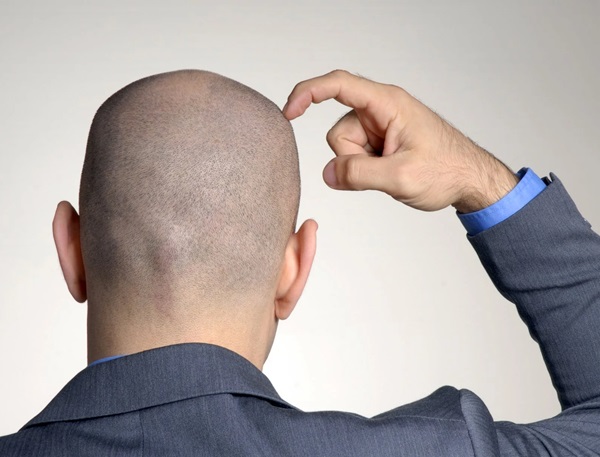
FUE vs FUT Hair Transplant
Two established hair transplantation techniques listed on the current page are FUE and FUT.
| Follicular Unit Extraction (FUE) | Follicular Unit Transplantation (FUT) |
|---|---|
|
FUE involves extracting individual follicular units from the donor area and transplanting them into the recipient area. Potential characteristics of FUE include: Individual follicular extraction No linear donor scar Smaller extraction sites Suitable for patients who prefer shorter hairstyles Recovery of the donor area without the linear incision associated with FUT |
FUT, also known as the strip method, involves removing a strip of scalp from the donor area. The strip is then divided into individual grafts for transplantation. Potential characteristics include: Strip harvesting from the donor area Individual graft preparation Potentially higher graft yield in a single session for selected patients Useful for some patients requiring larger-scale restoration A linear donor scar that can generally be concealed by surrounding hair |
Which Hair Transplant Technique Is Right for You?
There is no single technique that is appropriate for every patient. The choice between FUE and FUT depends on factors such as:
Donor hair characteristics
Extent of hair loss
Number of grafts required
Scalp characteristics
Desired hairstyle
Previous hair-transplant procedures
Treatment goals
The recommended technique should be determined after individual assessment.
Consultation & Hair Restoration Planning
A detailed consultation is an important part of hair transplantation. During the assessment, the surgeon may evaluate:
Hair-loss pattern
Frontal hairline
Crown and scalp coverage
Donor area
Hair density
Hair characteristics
Scalp condition
Previous treatments
Expected future hair-loss pattern
Desired level of restoration
The number and distribution of grafts should be planned according to the available donor supply and the areas requiring coverage. The goal is to create a treatment plan that provides realistic expectations for hair density and hairline design.
How Is Hair Transplant Surgery Performed?
The exact process depends on whether FUE or FUT is selected.
Consultation and Planning
The hair-loss pattern, scalp and donor area are evaluated. The recipient areas and desired hairline are planned according to individual anatomy.
Preoperative Preparation
The donor and recipient areas are prepared before the procedure. Hair may be trimmed depending on the technique and surgical plan.
Anaesthesia
Hair transplantation is typically performed under local anaesthesia, according to the current practice information.
Donor Hair Extraction
With FUE, individual follicular units are extracted from the donor area. With FUT, a strip of scalp is removed and subsequently divided into individual grafts.
Graft Preparation
The harvested follicular units are prepared carefully for implantation.
Recipient Site Preparation
Small recipient sites are created according to the planned hairline, direction and distribution of the transplanted follicles.
Graft Implantation
The prepared follicles are carefully placed into the recipient areas to provide appropriate coverage and a natural-looking direction of hair growth.
Postoperative Care
After the procedure, patients receive instructions regarding scalp care, medications, activity restrictions and follow-up.
Hair Transplant Surgery Videos
Playlist
 Hair Transplant Consultation
Hair Transplant Consultation
A consultation helps determine the cause and pattern of hair loss, assess the donor area and discuss the most appropriate restoration strategy.
Hair Transplant Results
Hair transplant results develop gradually. Understanding the expected growth timeline can help patients have realistic expectations during recovery.
Thinning Hairline
Dr. Saumil Shah discusses hairline thinning and approaches to hair restoration.
PRP for Hair Loss
The practice provides educational information about PRP therapy and its role in hair-loss treatment.
SVF Scalp Treatment
The practice also provides information about SVF scalp treatment as part of its advanced hair-restoration options.
Hair Transplant Recovery
Hair transplant recovery is generally gradual, and the appearance of the scalp changes during the healing and hair-growth process.
First Few Days
Patients may experience mild discomfort, redness, swelling or sensitivity around the donor and recipient areas. Postoperative instructions should be followed carefully to protect the transplanted follicles.
First 1–2 Weeks
The scalp continues to heal during the early recovery period. Patients should follow instructions regarding:
Scalp washing
Medications
Sun exposure
Physical activity
Sleeping position
Touching or scratching the transplanted area
First Few Months
The transplanted hair goes through different stages of the hair-growth cycle. It is normal for visible growth to take time. According to the current practice information, new hair growth generally begins around 3–4 months after transplantation.
12–18 Months
Hair density and overall appearance continue to develop as the transplanted follicles mature. The current practice information indicates that final results may continue developing over approximately 12–18 months.
Hair Transplant Results
Hair transplantation is designed to provide natural-looking hair growth in areas affected by hair loss. The final appearance depends on:
Number of grafts transplanted
Donor hair availability
Hair characteristics
Recipient-area condition
Hair-loss pattern
Surgical technique
Individual healing and hair-growth cycle
New growth does not appear immediately. Hair growth takes place gradually, with visible growth generally beginning several months after the procedure.
The transplanted follicles are intended to provide long-term hair growth, although surrounding non-transplanted hair may continue to thin depending on the underlying cause of hair loss.
Hair Transplant Before & After
Before-and-after photographs can help patients understand the type of hairline and coverage improvement that may be possible after transplantation. The current page includes before-and-after examples of hair transplantation performed by Dr. Saumil Shah.
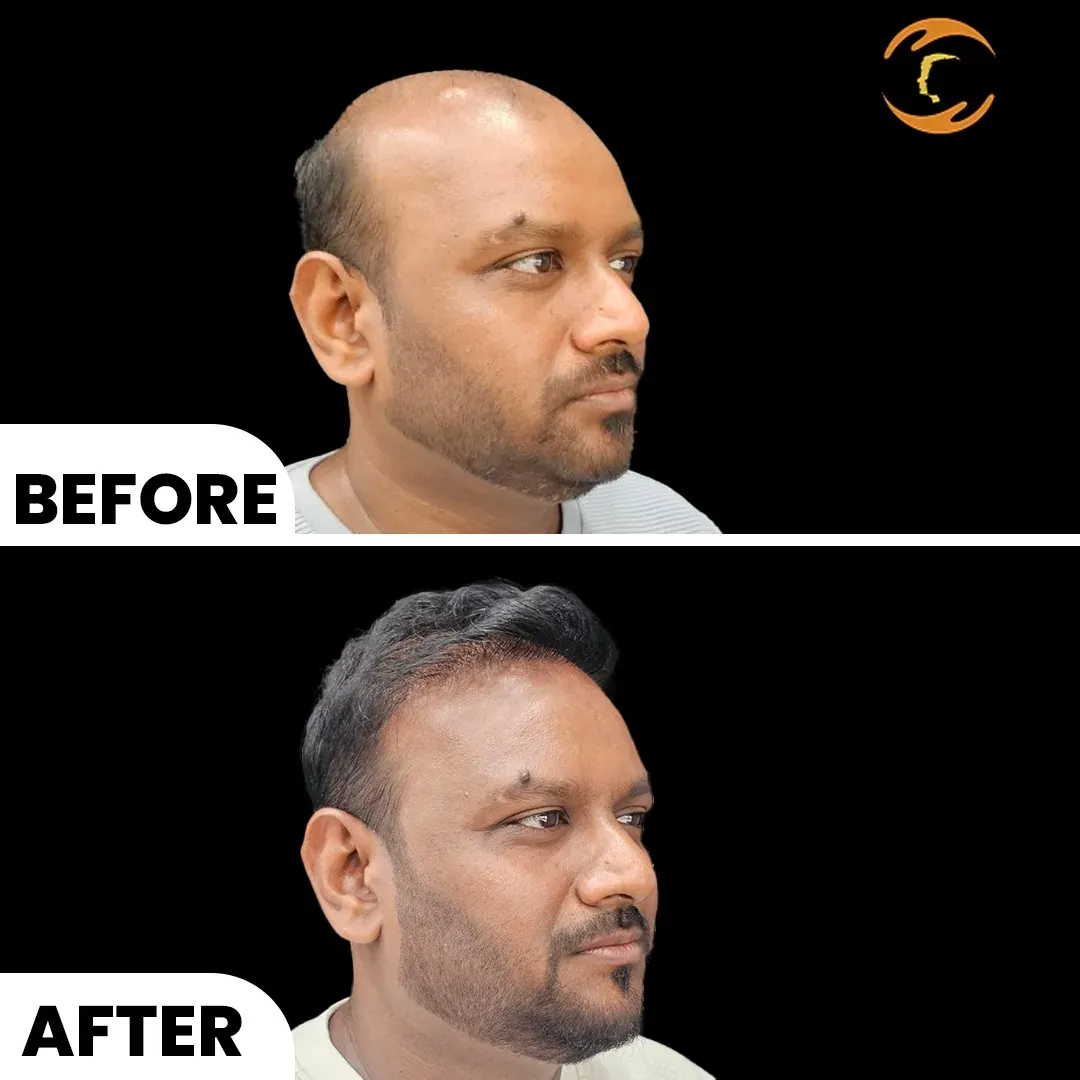
A confident look with a successful hair transplantation procedure.
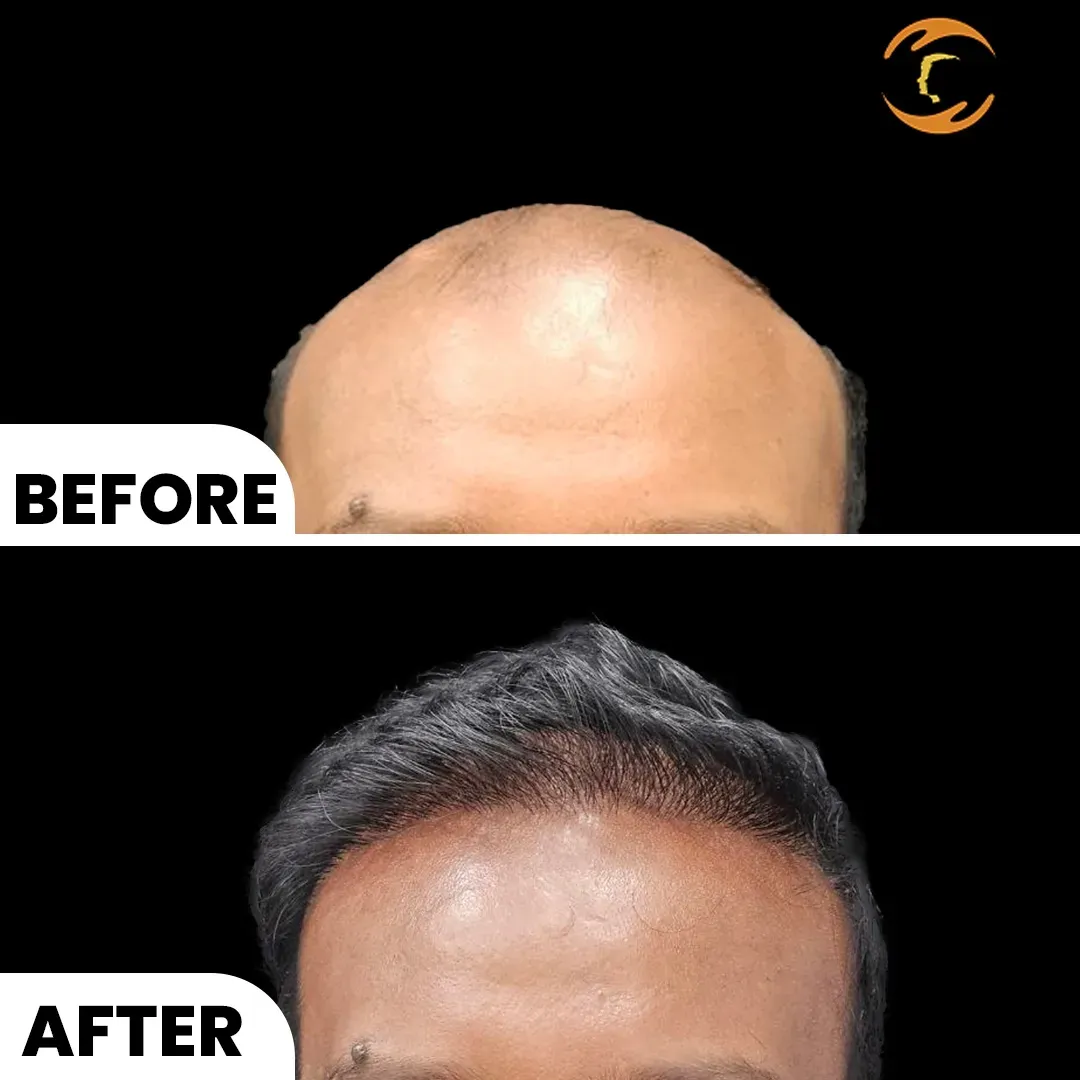
Amazing results of a successful hair transplantation procedure.
Every patient's hair density, donor supply, hair-loss pattern and healing response are different, so individual results may vary. Before-and-after photographs should therefore be used to understand potential treatment outcomes rather than as a guarantee of a specific result.
Hair Transplant Aftercare
Following postoperative instructions is important for protecting the transplanted follicles and supporting recovery. General aftercare may include:
Keeping the scalp clean according to postoperative instructions
Avoiding direct and prolonged sun exposure
Taking prescribed medication as instructed
Avoiding strenuous physical activity during the initial recovery period
Avoiding unnecessary touching or scratching of the transplanted area
Attending recommended follow-up appointments
Your postoperative instructions should be personalized according to your procedure and recovery.
Advanced Hair Restoration Therapies
The current practice information also describes additional treatments used in conjunction with hair-restoration care.
PRP – Platelet-Rich Plasma
PRP uses components derived from the patient's own blood and is used in hair-loss treatment protocols to support the hair follicles.
GFC – Growth Factor Concentrate
GFC is described by the practice as a refined hair-restoration treatment involving growth factors.
SVF – Stromal Vascular Fraction
SVF is derived from adipose tissue and is described by the practice as a regenerative approach used for scalp and hair-restoration treatment.
Exosome Therapy
Exosome-based treatments are described by the practice as an advanced approach intended to support hair follicle activity and hair growth.
These treatments should not automatically be considered substitutes for hair transplantation. Their suitability depends on the individual's hair-loss pattern, diagnosis and treatment plan.
Hair Transplant Surgery Cost in Mumbai
The cost of hair transplantation in Mumbai can vary considerably depending on the extent of hair loss, number of grafts required, technique selected and individual treatment requirements. The current practice information gives an indicative range of:
| Procedure | Indicative Cost |
|---|---|
| Hair Transplantation | ₹30,000 – ₹1,50,000 |
The final cost may depend on:
Number of grafts required
Extent of hair loss
FUE or FUT technique
Donor-area requirements
Surgical complexity
Pre-transplant assessment
Post-transplant care
Additional treatments such as PRP, GFC, SVF or Exosome therapy, if recommended
The above range is indicative and not a fixed quotation. A personalized estimate should be provided after assessment and treatment planning.
Transparent Pricing
Patients can discuss the recommended technique, estimated graft requirement, treatment process, recovery and associated costs during consultation. The final treatment estimate should be confirmed before proceeding with surgery.
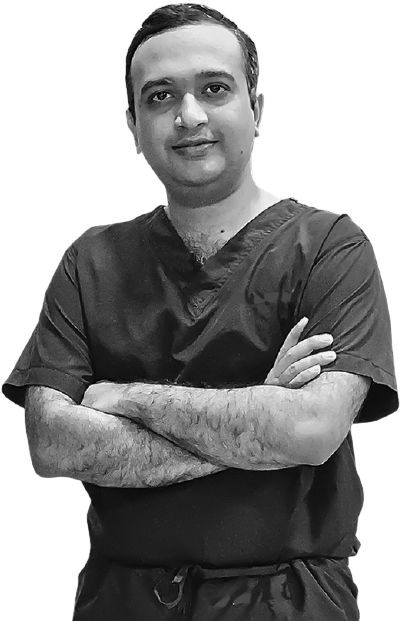
Why Choose Dr. Saumil Shah for Hair Transplant in Mumbai?
Hair transplantation requires careful planning of the donor area, hairline, graft distribution and long-term hair coverage.
Plastic Surgery Expertise
Dr. Saumil Shah is a Plastic, Aesthetic & Reconstructive Surgeon in Mumbai. His qualifications and training include:
MBBS – KEM Hospital, Mumbai
MS in General Surgery – M.S. University
MCh in Plastic Surgery – Sion Hospital (LTMMC), Mumbai
Experience With FUE and FUT
The current practice information states that Dr. Saumil Shah performs both FUE and FUT hair-transplant techniques, allowing the treatment approach to be selected according to individual requirements.
Personalized Hair Restoration Planning
Hair restoration is not simply about transplanting the maximum number of grafts. Planning should consider the donor supply, existing hairline, degree of hair loss, hair characteristics and the expected progression of hair loss.
Focus on Natural-Looking Results
Hairline design, graft placement and the direction of transplanted hair are important for achieving a natural-looking appearance.
Advanced Hair Restoration Options
The practice also offers or discusses additional hair-restoration therapies including:
These may be considered depending on the individual treatment plan.
Patient Safety & Surgical Care
The existing practice information highlights:
Nerve blocks to help manage postoperative discomfort where appropriate
DVT pumps to help reduce the risk of blood clots
Warmers to help maintain body temperature
Appropriate surgical and postoperative monitoring
Follow-up care during recovery
Procedures are performed in a NABH-accredited hospital, according to the current practice information.
Take the Next Step
If hair loss or thinning is affecting your appearance or confidence, a consultation can help determine whether hair transplantation is appropriate for you.
Dr. Saumil Shah can assess your hair-loss pattern and donor area and discuss the available techniques, expected growth timeline, recovery, potential risks and treatment cost.
Related Hair Restoration Treatments
Depending on your individual hair-loss concerns, other treatments may also be considered:
The appropriate treatment depends on the cause and pattern of hair loss, donor hair availability and individual treatment goals.
Our other Cosmetic Surgery Services in Mumbai:
Gynecomastia Surgery in Mumbai | Tummy Tuck Surgery in Mumbai | Liposuction Surgery in Mumbai | Breast Augmentation Surgery In Mumbai | Breast Reduction Surgery in Mumbai | Rhinoplasty in Mumbai | Brazilian Butt Lift Surgery in Mumbai | Botox Treatment in Mumbai | Derma Filler Treatment in Mumbai | Thread Lift Surgery in Mumbai | Eye Brow Lift Surgery in Mumbai | Lip Augmentation Surgery in Mumbai | Neck Lift Surgery in MumbaiDr. Saumil Shah, a Board-Certified Plastic Surgeon in Mumbai, specializes in Rhinoplasty, Facelift, Breast Surgery, Tummy Tuck, and Liposuction, known for delivering consistent, excellent results.
© Dr. Saumil Shah | All Rights Reserved