Rhinoplasty Surgery in Mumbai
Nose Reshaping for Aesthetic and Functional Concerns
The shape and structure of the nose play an important role in overall facial balance. If you are concerned about a nasal hump, a broad or bulbous tip, a crooked nose, or difficulty breathing, rhinoplasty surgery in Mumbai may be an option to consider.
Rhinoplasty, commonly called nose reshaping or a nose job, is a surgical procedure that modifies the bone, cartilage and soft tissues of the nose. Depending on your needs, it may focus on appearance, nasal function or both.
Dr. Saumil Shah, Plastic, Aesthetic and Reconstructive Surgeon, evaluates each patient's nasal anatomy, facial proportions, medical history and expectations before discussing suitable treatment options.
Book a Rhinoplasty ConsultationRhinoplasty Surgery Overview
| Parameter | Details |
|---|---|
| Procedure | Rhinoplasty / Nose Reshaping Surgery |
| Treatment Area | Nose |
| Main Goals | Nasal reshaping, improved facial balance and, where indicated, functional correction |
| Techniques | Open or closed rhinoplasty, depending on the case |
| Anaesthesia | Usually general anaesthesia; the plan depends on the procedure |
| Surgery Duration | Approximately 1–3 hours, depending on complexity |
| Hospital Stay | The current page lists approximately 10–15 hours, with same-day discharge in suitable cases; confirm the planned stay with the surgical team |
| Initial Recovery | Often 1–2 weeks before resuming many routine activities, depending on healing |
| Visible Improvement | Early changes become more apparent as swelling settles |
| Final Results | Commonly assessed over 6–12 months; refinement can take longer, particularly around the nasal tip |
| Indicative Cost | ₹50,000–₹3,00,000, depending on the procedure and individual requirements |
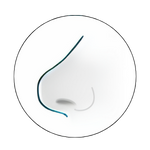
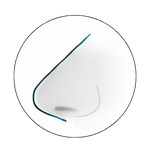
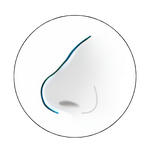
These are general estimates, not a guarantee of treatment duration, recovery or results. Your surgeon will provide an individualised plan after examination.
What Is Rhinoplasty?
Rhinoplasty is a surgical procedure used to change the shape, size or proportions of the nose. It may involve reshaping nasal bones and cartilage, adjusting the nasal tip, reducing a prominent hump or correcting certain structural concerns.
The procedure is not intended to make every nose look the same. Planning takes into account facial proportions, skin thickness, nasal structure, breathing function and the patient's goals.
Rhinoplasty may be considered for:
A prominent bump or hump on the nasal bridge
A broad nose or bulbous nasal tip
A nose that appears too long or asymmetrical
A crooked nose following an injury or due to natural anatomy
A nasal tip that appears over-projected or under-projected
Selected structural problems that affect nasal airflow
Changes needed after a previous nose surgery
The appropriate approach depends on the concern being addressed and the underlying nasal anatomy.
Why Do Patients Consider Rhinoplasty?
People consider rhinoplasty for different reasons. Some want to change a specific feature of the nose, while others seek help with a structural problem that affects breathing.
Common concerns include:
Nasal hump: A prominent bump on the bridge may be reshaped to create a smoother profile.
Broad or bulbous nasal tip: Selected cartilage reshaping techniques may help refine the tip while maintaining appropriate support.
Crooked nose: Surgery may address visible deviation, although the degree of correction depends on the cause and severity.
Nasal asymmetry: Rhinoplasty may improve certain differences in shape or proportion, but perfect symmetry cannot be guaranteed.
Nasal proportions: The bridge, tip, nostrils and overall length may be adjusted to create better balance with other facial features.
Breathing difficulties: When structural issues contribute to obstruction, functional nasal surgery may be considered. A separate assessment is needed to identify the cause of the breathing problem.
The consultation should establish which concerns can realistically be addressed and which limitations may remain.
Who Is a Suitable Candidate for Rhinoplasty?
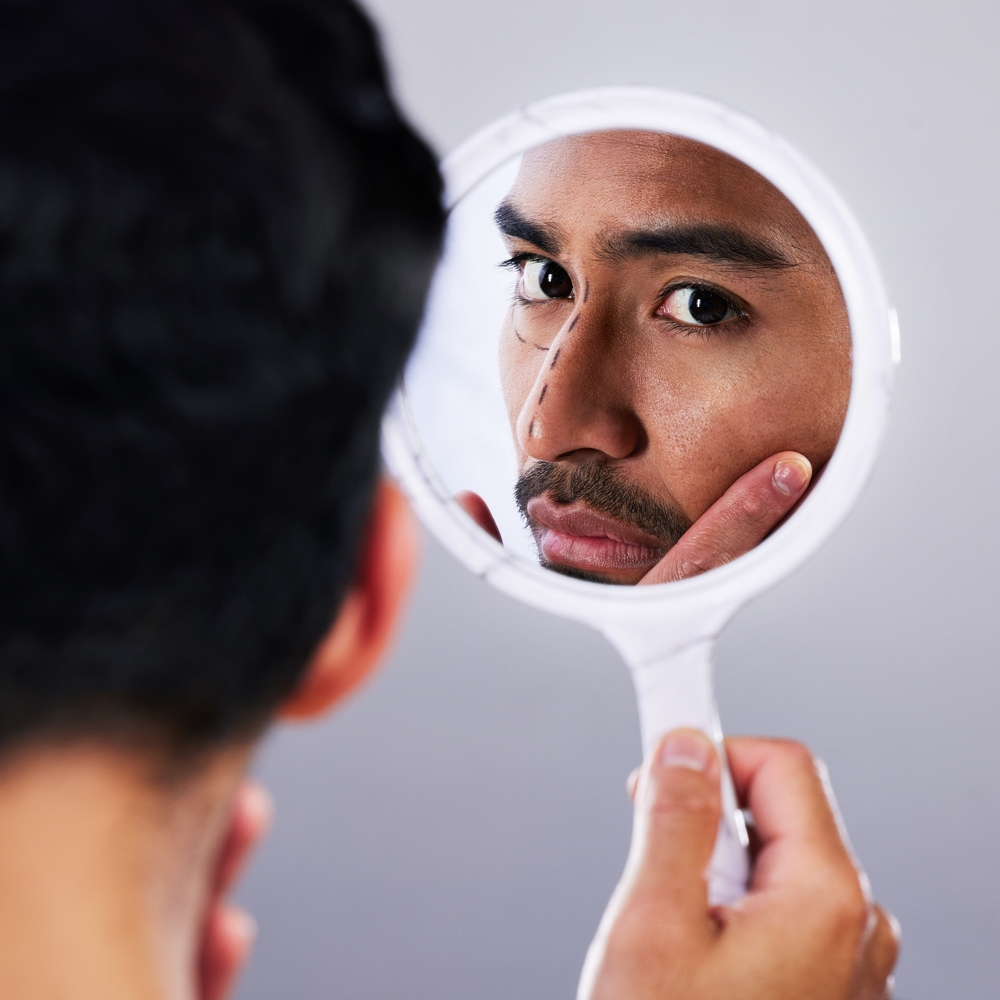
Rhinoplasty may be suitable for adults who have specific concerns about nasal shape or function and understand the potential benefits and limitations of surgery.
You may be considered a candidate if you:
Have a nasal feature you would like to change
Have realistic expectations about the likely outcome
Are in suitable general health for surgery
Have completed the necessary facial and nasal development
Can follow preoperative instructions and postoperative care
Understand that swelling and gradual healing affect the final appearance
If you have breathing difficulties, previous nasal surgery, a history of nasal injury or an underlying medical condition, these factors should be discussed during your consultation.
Rhinoplasty may need to be postponed or modified in certain circumstances. A clinical examination is necessary before deciding whether surgery is appropriate.
Types of Rhinoplasty Surgery
The technique is selected according to the nasal concern, the complexity of the correction and whether the procedure is being performed for the first time.
1. Open Rhinoplasty
Open rhinoplasty involves incisions inside the nostrils and a small incision across the columella, the tissue between the nostrils. This allows the surgeon to lift the nasal skin and directly assess the underlying structures.
It may be considered for complex reshaping, significant tip modification or cases requiring detailed structural correction.
A small external scar may remain at the columella, although its visibility varies with healing.
2. Closed Rhinoplasty
Closed rhinoplasty uses incisions inside the nostrils. The technique may be appropriate for selected cases where the required changes can be performed through this access.
Because there is no external columellar incision, there is no scar in that location. However, closed rhinoplasty is not suitable for every nasal concern.
3. Reduction Rhinoplasty
Reduction rhinoplasty aims to reduce selected aspects of nasal size or projection. Depending on the anatomy, this may involve reshaping the bridge, modifying the tip or adjusting other structures.
The objective is to achieve proportionate changes while maintaining nasal support and function.
4. Augmentation Rhinoplasty
Augmentation rhinoplasty increases support, height or projection in selected areas of the nose. It may involve carefully planned use of cartilage or other suitable grafting material.
The choice of material and technique depends on the patient's anatomy, surgical goals and medical assessment.
5. Functional Rhinoplasty
Functional rhinoplasty addresses structural problems that may contribute to impaired nasal airflow. The procedure may involve selected changes to the nasal framework.
Not every breathing problem requires rhinoplasty. The cause should be evaluated before surgery is recommended.
6. Revision Rhinoplasty
Revision rhinoplasty is performed after a previous nose surgery to address selected concerns such as persistent asymmetry, contour irregularities, structural problems or breathing difficulties.
Revision procedures can be more complex because the original anatomy may have changed and cartilage may be limited. The surgical plan depends on the current structure and the reason for revision.
Rhinoplasty vs Septoplasty: What Is the Difference?
Rhinoplasty and septoplasty address different aspects of nasal anatomy, although they may sometimes be performed together.
| Feature | Rhinoplasty | Septoplasty |
|---|---|---|
| Main Purpose | Changes the external shape or proportions of the nose | Corrects a deviated nasal septum |
| Primary Focus | Appearance and, in some cases, function | Nasal airflow |
| Changes to External Appearance | Usually intended when cosmetic reshaping is performed | Usually not intended |
| Can They Be Combined? | Yes, when clinically appropriate | May be combined with rhinoplasty when both concerns are present |
When both appearance and breathing are concerns, the surgeon will assess whether combined surgery is appropriate. The procedure should be planned around the underlying structural problem rather than appearance alone.
Consultation and Personalised Surgical Planning
A rhinoplasty consultation helps establish what can be changed safely and realistically. Dr. Saumil Shah will discuss your concerns, medical history, expectations and any previous nasal procedures.
The assessment may include:
Examination of the nasal bridge, tip, nostrils and overall proportions
Evaluation of nasal structure and breathing concerns
Review of previous injuries or surgeries
Discussion of suitable surgical techniques
Explanation of possible limitations, risks and recovery
An individualised treatment and cost estimate
It is important to communicate your priorities clearly. If you have concerns about both appearance and breathing, mention both during the consultation.
Photographs may be used for assessment and surgical planning. Any digital simulations, if offered, should be understood as planning aids rather than guarantees of the final result.
How Is Rhinoplasty Surgery Performed?
The exact steps depend on the selected technique and the changes required.
1. Anaesthesia and Preparation
Rhinoplasty is commonly performed under general anaesthesia. The anaesthesia plan and required preoperative investigations are determined by the surgical and anaesthesia teams.
2. Surgical Incisions
In open rhinoplasty, incisions are made inside the nostrils and across the columella. In closed rhinoplasty, incisions are placed inside the nostrils.
3. Reshaping the Nasal Framework
The surgeon adjusts the relevant bone and cartilage structures according to the agreed plan. This may involve modifying a hump, refining the tip, adjusting nasal proportions or supporting selected areas with cartilage grafts.
4. Structural Support and Closure
The surgeon checks the nasal framework and closes the incisions. A splint or other support may be used to help protect the nose during early healing.
5. Postoperative Monitoring
After surgery, the medical team monitors recovery and provides instructions about medication, wound care, activity restrictions and follow-up appointments. Discharge depends on the patient's condition and the planned procedure.
Recovery After Rhinoplasty
Recovery takes place in stages. Bruising and swelling are generally more noticeable during the early period, while subtle changes continue as the tissues heal.
First Week
Swelling, bruising, congestion and mild discomfort may occur. A nasal splint may be used, and patients should follow the surgeon's instructions about cleaning, sleeping position and medication.
Avoid pressure on the nose and do not attempt to remove or adjust a splint yourself.
Weeks 2–4
Bruising and much of the visible swelling often improve during this period. Many patients can return to routine activities according to their healing and the surgeon's advice.
Strenuous exercise, contact sports and activities that could injure the nose may remain restricted.
Months 1–3
The nose continues to settle into its new shape. Swelling may remain, particularly around the tip, even when the overall change is already visible.
Months 6–12 and Beyond
More refined changes become apparent as the tissues continue to heal. The final result is commonly assessed around 6–12 months, although some noses—especially those with thicker skin or more complex surgery—may take longer.
Recovery varies from person to person. Follow-up appointments are important for monitoring healing and addressing concerns.
Scars After Rhinoplasty
Scar placement depends on the technique used.
Closed rhinoplasty: Incisions are placed inside the nostrils, so there is no external columellar incision.
Open rhinoplasty: A small incision is made across the columella. It generally heals gradually, but its final appearance varies.
Individual healing: Skin type, healing response, surgical technique and aftercare can affect scar visibility.
Rhinoplasty should not be described as completely scar-free. Your surgeon can explain the likely incision placement and expected healing for your specific procedure.
Results and Long-Term Expectations
Rhinoplasty aims to create changes that suit the patient's anatomy and goals. The outcome depends on factors such as the original nasal structure, skin thickness, surgical complexity and healing response.
Although structural changes are intended to be long-lasting, the appearance of the nose can continue to change with ageing, injury or other factors.
Patients should understand that:
Early swelling can make the nose look different from its eventual shape.
The tip may take longer to settle than other areas.
Perfect symmetry cannot be promised.
A specific reference photograph cannot guarantee the same result.
Further treatment may occasionally be considered if a concern remains after healing.
The goal is an individually planned result, not an identical nose for every patient.
Risks and Possible Complications of Rhinoplasty
Rhinoplasty is surgery and carries potential risks. These should be discussed before deciding to proceed.
Possible complications include:
Bleeding, infection or delayed healing
Swelling and bruising
Temporary or persistent changes in sensation
Visible scarring, particularly with an open approach
Asymmetry or contour irregularities
Persistent or new breathing difficulties
Dissatisfaction with the aesthetic result
Need for additional surgery in selected cases
Risks associated with anaesthesia
The likelihood and nature of complications vary with the individual and the procedure. Your surgeon will explain the relevant risks, precautions and follow-up plan during consultation.
Seek prompt medical advice if you experience severe or worsening pain, heavy bleeding, fever, increasing redness or other concerning symptoms after surgery.
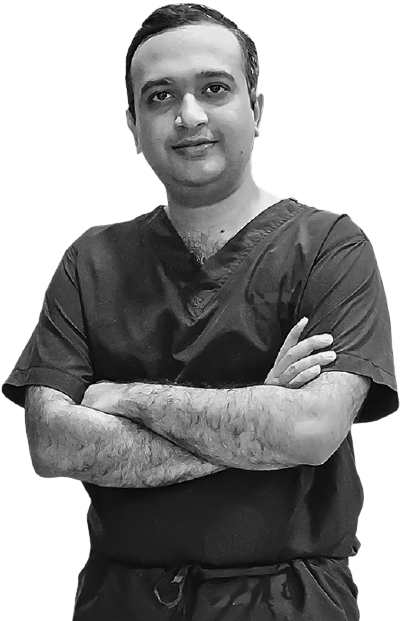
Why Choose Dr. Saumil Shah for Rhinoplasty Surgery?
Rhinoplasty requires careful planning because small structural changes can affect both nasal appearance and function. The procedure should be selected according to the patient's anatomy, concerns and realistic goals.
Qualifications and Surgical Training
Dr. Saumil Shah is a Plastic, Aesthetic and Reconstructive Surgeon. His listed training includes MBBS from KEM Hospital, MS in General Surgery from M.S. University and MCh in Plastic Surgery from Sion Hospital/LTMMC, Mumbai.
Personalised Surgical Planning
The assessment considers nasal proportions, skin characteristics, structural support, breathing concerns and the changes the patient wants to achieve.
Discussion of Aesthetic and Functional Goals
Where appropriate, both appearance and breathing are considered during planning. Patients are informed when a concern may require a different procedure or cannot be fully corrected.
Patient Safety and Follow-Up
The current clinic information describes the use of perioperative monitoring, warming systems and measures intended to reduce the risk of blood clots. The appropriate precautions depend on the patient and the procedure. Surgery is planned in the relevant hospital setting, with postoperative monitoring and follow-up.
Clear Communication and Cost Planning
Consultation should include a discussion of the proposed technique, expected recovery, potential risks, limitations and estimated costs before surgery is scheduled.
Rhinoplasty Before-and-After Results
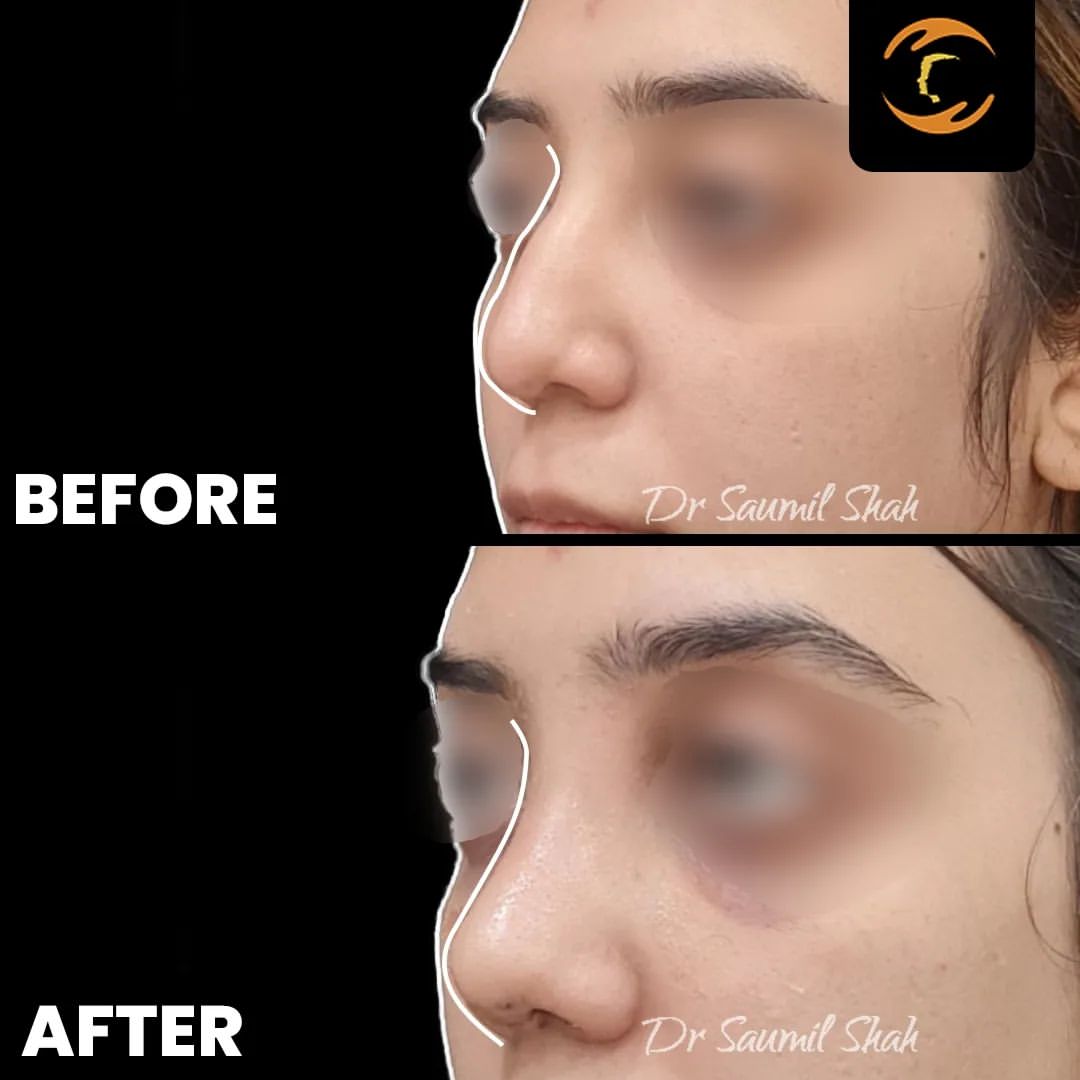
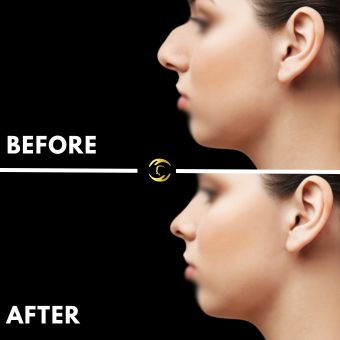
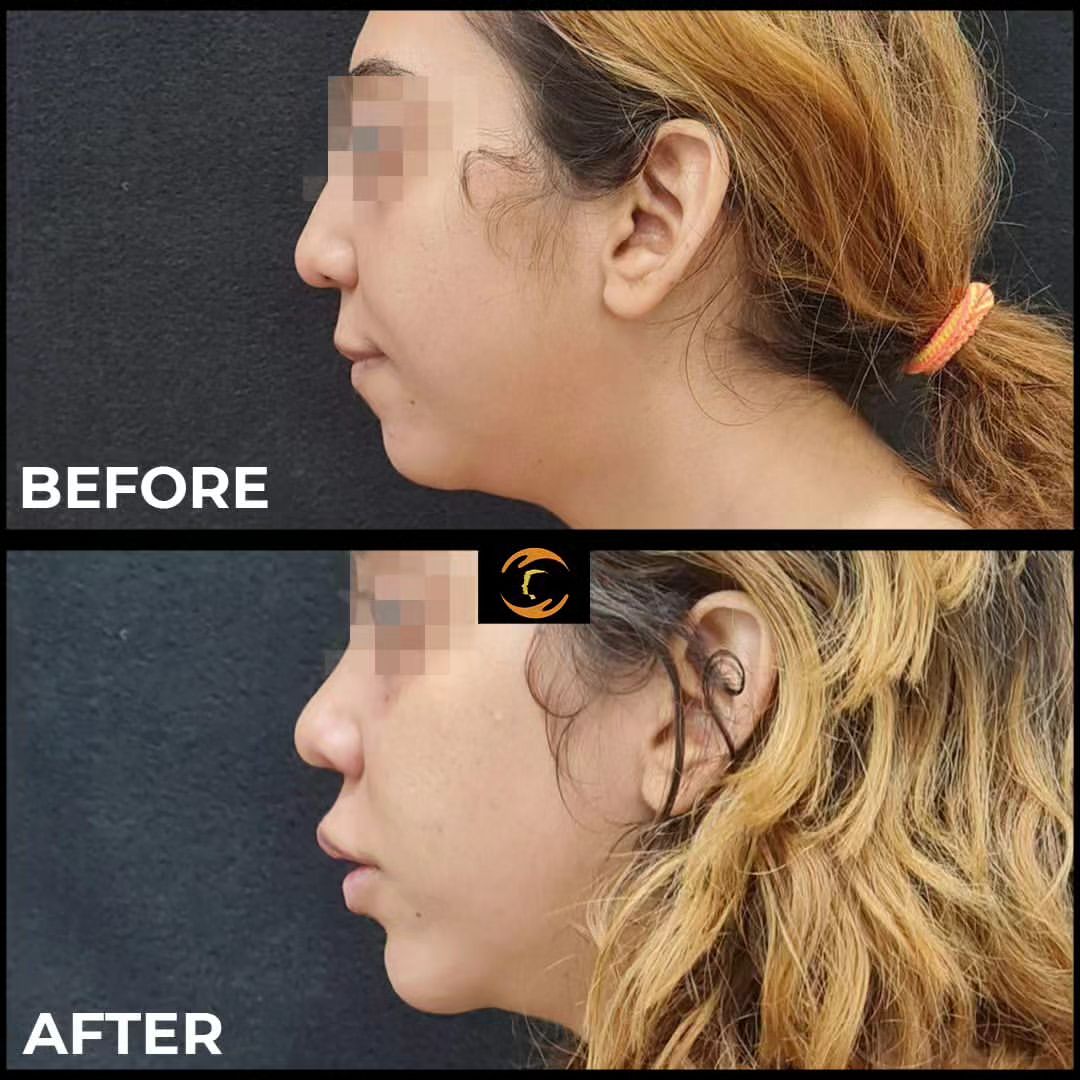
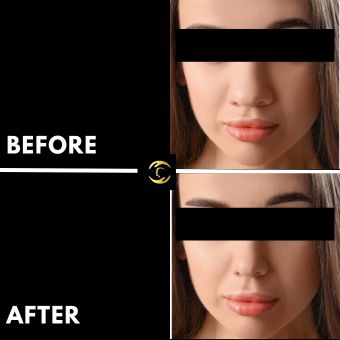
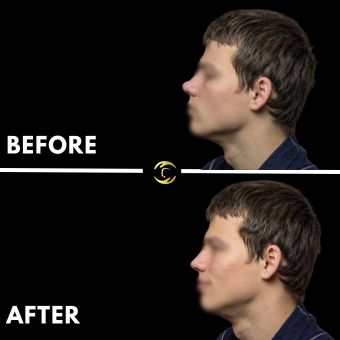
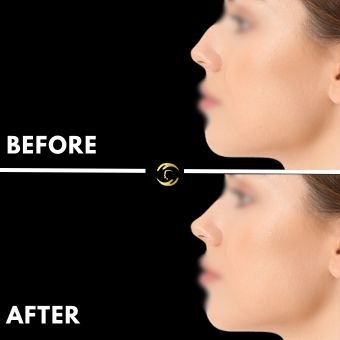
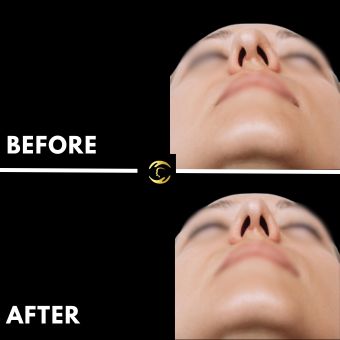
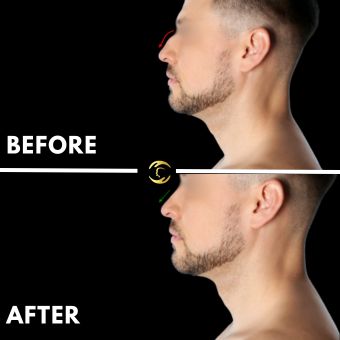
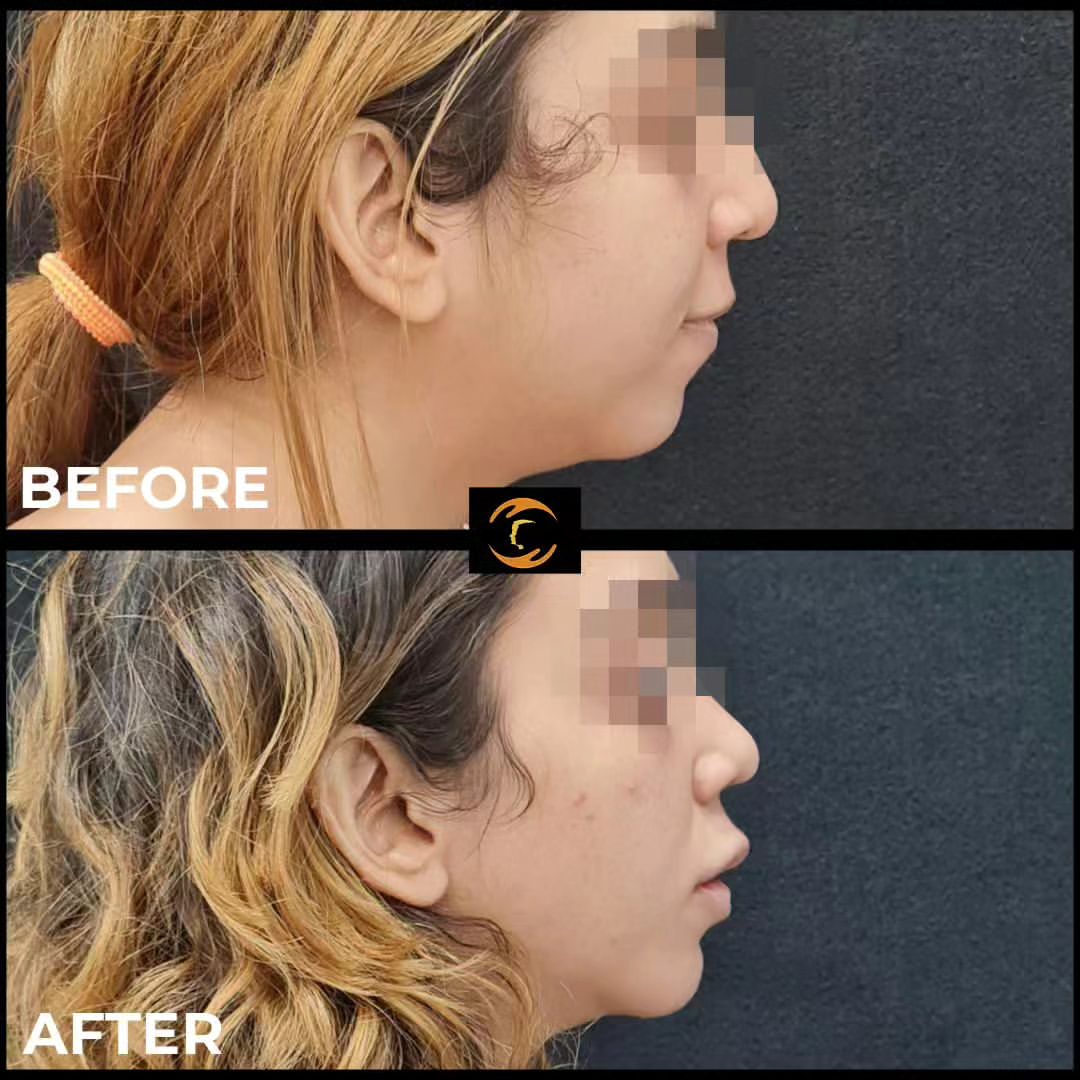
Before-and-after photographs can help patients understand the types of nasal concerns addressed through rhinoplasty. The current page includes examples involving a dorsal hump, a crooked nose, an over-projected tip and a tension tip.
When reviewing results, consider the type of correction performed, the patient's starting anatomy and how long after surgery the photographs were taken. Individual outcomes vary, and gallery images should not be interpreted as a promise of a particular result.
Rhinoplasty Videos and Educational Resources
The current page includes educational videos and short-form content about nasal reshaping, broad nose correction and non-surgical nose treatments.
These resources can help patients understand available options, but they do not replace a clinical assessment.
Playlist
 Complete
Guide to Rhinoplasty Assessment and Consultation


Rhinoplasty Surgery Cost in Mumbai
The indicative rhinoplasty cost in Mumbai is ₹50,000–₹3,00,000, according to the overview and cost information on the current page. The final estimate depends on the procedure required and the individual treatment plan.
Types of Rhinoplasty and Indicative Cost
| Type of Rhinoplasty | Description | Indicative Cost |
|---|---|---|
| Open Rhinoplasty | Used when direct access to the nasal framework is needed | ₹1,00,000–₹2,50,000 |
| Closed Rhinoplasty | Uses incisions inside the nostrils for selected corrections | ₹80,000–₹2,00,000 |
| Revision Rhinoplasty | Addresses selected concerns after previous nose surgery | ₹1,50,000–₹3,00,000 |
| Functional Rhinoplasty | Addresses selected structural problems affecting nasal function | ₹1,20,000–₹2,70,000 |
The listed ranges overlap and may not apply to every patient. The overall range of ₹50,000–₹3,00,000 should not be interpreted as a fixed quotation.
What Affects the Cost of Rhinoplasty?
The cost may vary according to:
The type and complexity of the procedure
Whether it is primary or revision surgery
Whether functional correction is required
The need for cartilage grafting or additional structural support
Anaesthesia and hospital-related charges
Preoperative investigations, medication and follow-up care
A personalised estimate should be provided after examination and discussion of the surgical plan.
Frequently Asked Questions About Rhinoplasty
Related Facial Procedures
Depending on your concerns, you may also wish to explore:
These procedures address different facial features and are not substitutes for rhinoplasty. Suitability depends on an individual assessment.
Book a Rhinoplasty Consultation in Mumbai
If you are considering rhinoplasty, the first step is to understand your nasal anatomy, treatment options, likely recovery and realistic expectations.
Dr. Saumil Shah can assess your concerns and discuss whether open, closed, functional or revision rhinoplasty may be appropriate for you.
Book a consultation to discuss your goals and receive an individualised treatment plan.
Consultation locations:
Skinzone Aesthetics, Borivali West, Mumbai
Doctor House, Pedder Road, Mumbai
Breach Candy Hospital, Mumbai
Please confirm the current consultation location and appointment availability with the clinic before visiting.
Book a Rhinoplasty Consultation WhatsAppDr. Saumil Shah, a Board-Certified Plastic Surgeon in Mumbai, specializes in Rhinoplasty, Facelift, Breast Surgery, Tummy Tuck, and Liposuction, known for delivering consistent, excellent results.
© Dr. Saumil Shah | All Rights Reserved