Tummy Tuck Surgery in Mumbai
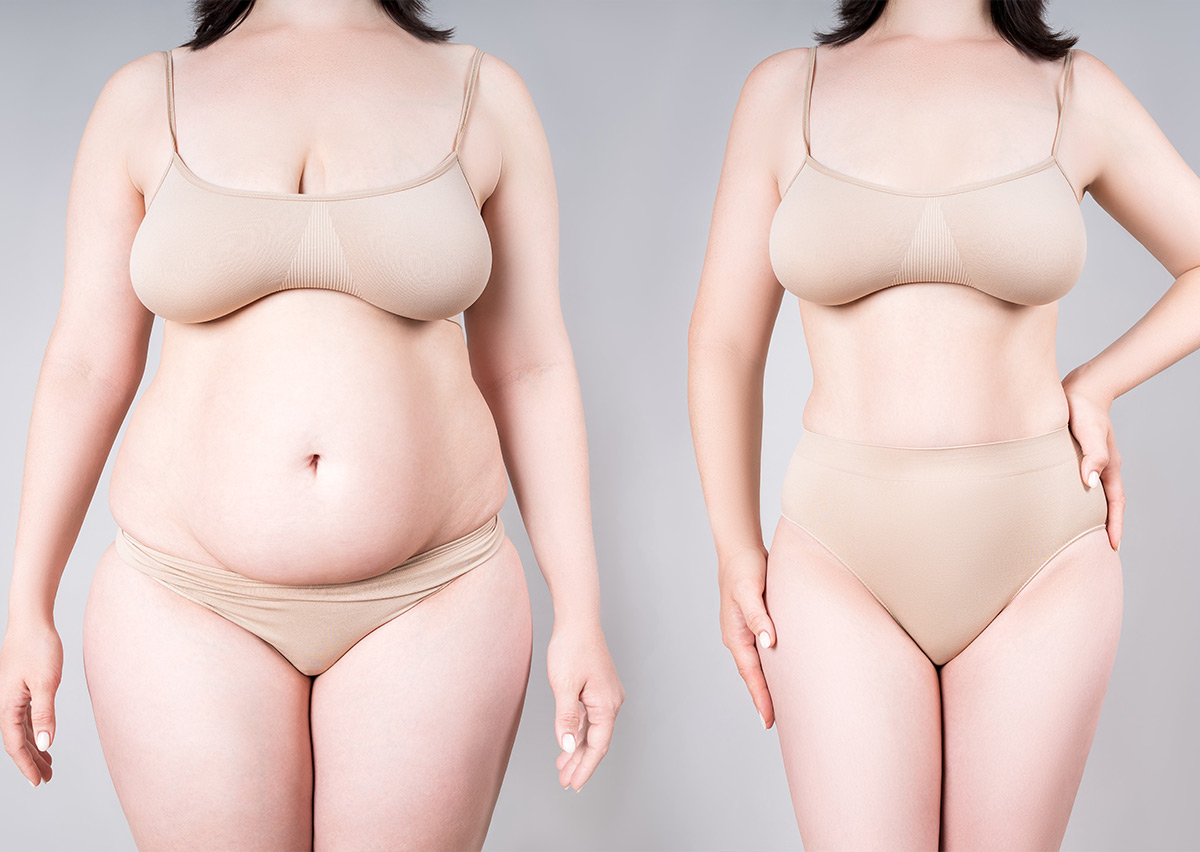
Tummy Tuck Surgery in Mumbai
Achieve a Firmer, More Defined Abdomen with Dr. Saumil Shah
A flatter abdomen is not always achievable through diet and exercise alone. Pregnancy, significant weight loss, ageing, or changes in abdominal tissues can leave behind excess skin, stubborn fat, and weakened abdominal muscles.
Tummy Tuck Surgery in Mumbai, also known as Abdominoplasty, is a surgical procedure designed to remove excess abdominal skin, address selected areas of excess fat, and tighten weakened abdominal muscles where required. The goal is to create a smoother, firmer, and more proportionate abdominal contour.
At Dr. Saumil Shah's practice, every tummy tuck is planned according to the patient's anatomy, skin quality, amount of excess tissue, abdominal muscle condition, and aesthetic goals. The objective is not simply to make the abdomen smaller, but to create a balanced result that complements the patient's overall body shape.
Dr. Saumil Shah is an MCh-qualified Plastic, Aesthetic & Reconstructive Surgeon who combines detailed surgical planning with modern techniques and comprehensive postoperative care.
What Is Tummy Tuck Surgery?
A tummy tuck, or abdominoplasty, is a cosmetic surgical procedure that removes excess skin from the abdomen and may tighten separated or weakened abdominal muscles.
It is particularly considered by patients who have experienced:
Pregnancy and childbirth
Significant weight loss
Changes in abdominal skin with ageing
Persistent loose abdominal skin
Abdominal muscle separation after pregnancy
Localised excess tissue that does not improve with lifestyle changes
A tummy tuck is not a weight-loss procedure. It is generally performed after a patient has reached a relatively stable weight and is looking to improve abdominal contour.
The procedure may help:
Remove excess lower abdominal skin
Tighten weakened abdominal muscles when appropriate
Improve abdominal contour
Reduce the appearance of a protruding lower abdomen
Improve the appearance of certain stretch marks when they lie within the skin being removed
Create a smoother transition between the abdomen and waist
Why Do Patients Consider a Tummy Tuck?
Every patient has different reasons for considering abdominoplasty. Some want to address changes following pregnancy, while others are left with significant excess skin after weight loss.
After Pregnancy
Pregnancy can stretch the abdominal skin and abdominal wall. Some women experience persistent muscle separation, loose skin, and changes in abdominal contour even after returning to their pre-pregnancy weight.
After Significant Weight Loss
Major weight loss can produce substantial excess skin around the abdomen. A tummy tuck can remove selected areas of this loose skin and improve body contour.
Loose Abdominal Skin
Skin that has lost elasticity may not tighten sufficiently through exercise alone. Surgical removal may be considered when excess skin is substantial.
Abdominal Muscle Separation
Pregnancy and significant changes in abdominal tissues can contribute to diastasis recti, or separation of the abdominal muscles. Where appropriate, muscle repair may be incorporated into abdominoplasty.
Body Contouring
Some patients choose tummy tuck surgery as part of a broader body-contouring plan to improve the relationship between the abdomen, waist, hips, and other areas.
Who Is a Good Candidate for Tummy Tuck Surgery?
Tummy tuck surgery is an individualized procedure. During consultation, your overall health, abdominal tissues, weight stability, skin quality, and expectations are assessed.
You may be a suitable candidate if you:
Have excess or loose abdominal skin
Have relatively stable body weight
Are in good general health
Have realistic expectations
Are bothered by changes in abdominal contour
Have loose skin after pregnancy or significant weight loss
Have abdominal muscle separation that may benefit from surgical repair
Are willing to follow preoperative and postoperative instructions
A tummy tuck may not be appropriate for everyone. Patients planning significant future weight loss or pregnancy may be advised to postpone surgery.
Benefits of Tummy Tuck Surgery
When appropriately selected and performed, abdominoplasty can provide several aesthetic benefits.
Removes Excess Skin
Tummy tuck surgery can remove excess skin that remains after pregnancy, weight loss, or ageing.
Improves Abdominal Contour
Removing excess tissue can create a smoother and more defined abdominal profile.
Addresses Abdominal Muscle Separation
Where clinically appropriate, weakened or separated abdominal muscles may be repaired during surgery.
Creates Better Body Proportions
Improving the abdomen can enhance the relationship between the waist, abdomen, hips, and surrounding body contours.
Improves Clothing Fit
Reducing excess abdominal skin may make certain clothing more comfortable and improve how garments fit around the waist.
Long-Lasting Results
The results of abdominoplasty can be long-lasting, particularly when patients maintain a stable weight and healthy lifestyle.
Tummy Tuck vs Liposuction: Which Procedure Do You Need?
Tummy tuck and liposuction address different concerns.
| Tummy Tuck | Liposuction |
|---|---|
| Removes excess skin | Removes localised fat deposits |
| Can tighten abdominal muscles | Does not primarily tighten separated abdominal muscles |
| Addresses loose abdominal skin | Best suited to areas with localised fat and relatively good skin elasticity |
| Involves surgical removal of skin | Uses small incisions for fat removal |
| Can improve abdominal laxity | Focuses mainly on body contouring |
Some patients may benefit from combining liposuction with abdominoplasty. The appropriate approach depends on your anatomy, skin quality, amount of excess tissue, and treatment goals.
Types of Tummy Tuck Surgery
Different forms of abdominoplasty can be considered depending on the location and amount of excess skin.
Full Abdominoplasty
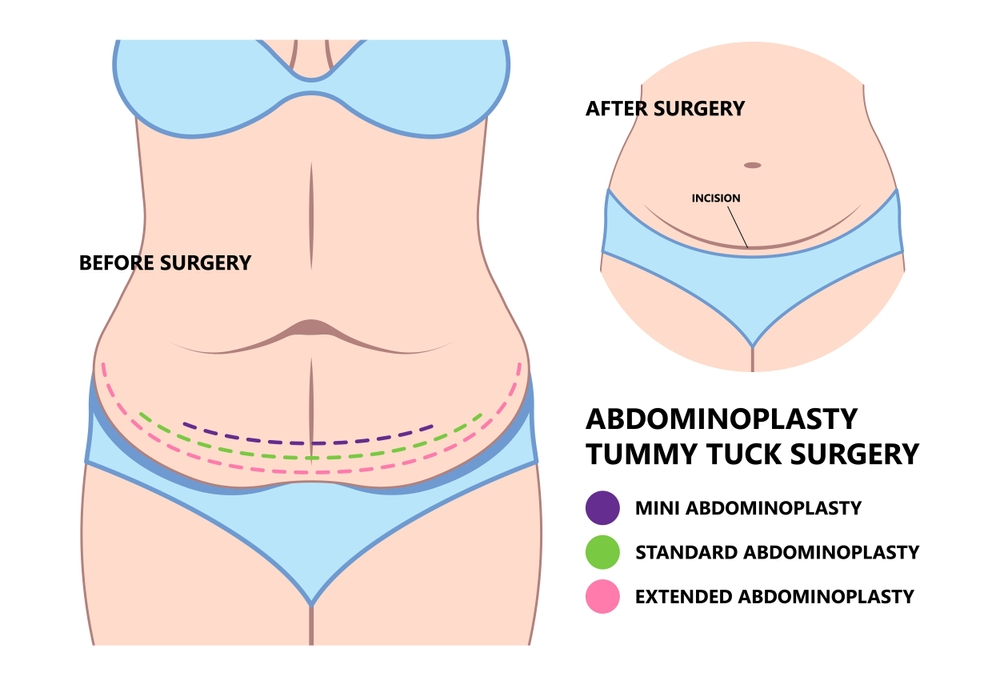
A full tummy tuck is generally considered when there is a significant amount of excess skin and abdominal laxity involving the lower and central abdomen.
It may involve:
A lower abdominal incision
Removal of excess skin
Muscle repair where required
Repositioning of the umbilicus
Contouring of the abdominal area
Mini Tummy Tuck
A mini abdominoplasty may be suitable for selected patients with a smaller amount of excess skin primarily below the navel.
It generally involves a shorter incision and is less extensive than a full tummy tuck.
Extended Tummy Tuck
An extended abdominoplasty may be considered when excess skin extends beyond the abdomen toward the flanks or sides of the waist.
The exact technique is selected according to the distribution of excess tissue.
Post-Weight-Loss Tummy Tuck
Patients who have lost substantial amounts of weight may have significant skin laxity around the abdomen. A tummy tuck can form part of a broader post-weight-loss body contouring plan.
Your surgeon will determine the appropriate procedure based on your individual anatomy rather than using one technique for every patient.
Tummy Tuck Consultation
A successful tummy tuck begins with a detailed consultation.
During your consultation, Dr. Saumil Shah will:
Discuss your concerns and aesthetic goals
Review your medical history
Assess your abdominal skin and tissue
Evaluate abdominal muscle laxity or separation
Assess your weight stability
Discuss the appropriate type of abdominoplasty
Explain the expected scar location
Discuss whether liposuction may be appropriate
Explain the recovery process
Discuss potential risks and complications
Provide an individualized treatment plan
Explain the expected cost
This consultation allows you to understand both the potential benefits and limitations of surgery before making a decision.
How to Prepare for Tummy Tuck Surgery
Preparing properly can support a smoother surgical and recovery process.
Depending on your individual circumstances, preparation may include:
Completing recommended medical tests
Informing your surgeon about existing medical conditions
Reviewing medications and supplements
Avoiding smoking as advised
Maintaining a stable weight
Following preoperative instructions
Arranging assistance at home during the initial recovery period
Following fasting instructions before anaesthesia
Preparing comfortable clothing and postoperative essentials
Do not stop prescribed medication without discussing it with your surgeon.
Tummy Tuck Surgery Procedure
Tummy tuck surgery is performed under anaesthesia in an appropriately equipped hospital.
The procedure generally involves several stages.
Step 1 – Surgical Planning and Marking
The abdomen is carefully examined and marked before surgery. The incision design is planned according to the amount and distribution of excess skin.
Step 2 – Anaesthesia
General anaesthesia is administered so that you remain comfortable throughout the operation.
Step 3 – Incision
A carefully planned incision is made in the lower abdominal region. The length and position depend on the surgical technique and amount of excess skin.
Step 4 – Skin and Tissue Management
The abdominal skin is separated and excess tissue is removed according to the treatment plan.
Step 5 – Abdominal Muscle Repair
If abdominal muscle separation or weakness is present and repair is appropriate, the abdominal wall may be tightened.
Step 6 – Umbilical Repositioning
In a full abdominoplasty, the position of the belly button may need to be adjusted to maintain natural abdominal proportions.
Step 7 – Closure
The remaining skin is carefully repositioned and the incision is closed using appropriate surgical techniques.
The complete operation generally takes approximately 2–5 hours, depending on the complexity of the procedure.
Patient Safety & Surgical Care
At Dr. Saumil Shah's practice, patient safety is considered at every stage of the tummy tuck journey, from preoperative assessment through recovery.
Depending on the patient's surgical plan and anaesthesia requirements, measures may include:
Regional nerve blocks: Nerve blocks such as a TAP block may be used as part of a multimodal pain-management approach to help reduce postoperative discomfort.
DVT prevention: Sequential compression devices or DVT pumps may be used during the perioperative period to help reduce the risk of blood clots.
Temperature management: Surgical warming systems may be used during the procedure to help maintain appropriate body temperature.
Appropriate monitoring: Patients undergo appropriate preoperative assessment and intraoperative monitoring based on their individual health and surgical requirements.
Postoperative care: Recovery is monitored with follow-up appointments and individualized instructions for mobility, wound care, medications, and activity.
Dr. Saumil Shah's procedures are performed in appropriately equipped hospital settings, including NABH-accredited hospital facilities, where applicable to the surgical plan.
The specific anaesthesia and safety measures used for your surgery will be discussed during your consultation.
Recovery After Tummy Tuck Surgery
Recovery varies depending on the extent of surgery and whether additional procedures are performed.
| Recovery Stage | What to Expect |
|---|---|
| First few days | Swelling, tightness and discomfort are expected |
| First 1–2 weeks | Light activity and short walks are encouraged as advised |
| 2–4 weeks | Gradual return to routine activities |
| 4–6 weeks | Swelling continues to settle and activity is gradually increased |
| 3–6 months | Results continue to mature as swelling resolves |
The current practice information indicates a typical hospital stay of 1–2 days and an overall recovery/downtime period of approximately 2–4 weeks, although individual recovery can vary.
Follow-up appointments are important to monitor healing and guide your return to normal activities.
Tummy Tuck Scars
A tummy tuck involves a surgical incision, so a scar is expected.
The incision is generally positioned as low as reasonably possible on the abdomen so that it can be concealed by underwear or swimwear. The final appearance of the scar depends on factors such as healing, genetics, skin quality, surgical technique, and postoperative care.
Scar maturation takes time. The scar may initially appear more prominent and gradually become less noticeable as it heals.
Risks & Safety
Like any surgical procedure, tummy tuck surgery has potential risks and complications.
These may include:
Bleeding
Infection
Seroma or fluid collection
Delayed wound healing
Changes in skin sensation
Scarring
Skin or tissue healing problems
Blood clots
Anaesthesia-related complications
Asymmetry
Need for revision surgery
Your individual risks depend on your health, anatomy, surgical plan, and other factors. These should be discussed in detail during your consultation.
Patient safety remains an important part of the surgical planning and postoperative process.
Tummy Tuck and Future Pregnancy
If you are planning another pregnancy, it is generally advisable to discuss this with your plastic surgeon before considering abdominoplasty.
Pregnancy can stretch the abdominal skin and muscles again and may alter the results achieved through surgery.
Patients who have completed their planned pregnancies may therefore be better positioned to maintain their surgical outcome over the long term.
Tummy Tuck After Weight Loss
Significant weight loss can leave patients with excess skin that does not respond to exercise or further lifestyle changes.
A post-weight-loss tummy tuck may address:
Loose abdominal skin
Hanging skin folds
Abdominal laxity
Changes in waist contour
Localised excess tissue
For patients with more extensive skin laxity involving multiple areas, tummy tuck surgery may form part of a broader post-massive-weight-loss body contouring plan.
Tummy Tuck Before & After Results
Every patient's body shape, skin quality, amount of excess tissue, and healing response is different. Therefore, tummy tuck results vary from patient to patient.
Our before-and-after gallery can help you understand the types of abdominal contour changes that may be achieved through surgery.
Results may include:
Reduced excess abdominal skin
A smoother abdominal contour
Improved waist definition
Better abdominal proportions
A firmer-looking abdomen
During your consultation, relevant clinical examples can be discussed to help establish realistic expectations for your individual anatomy.
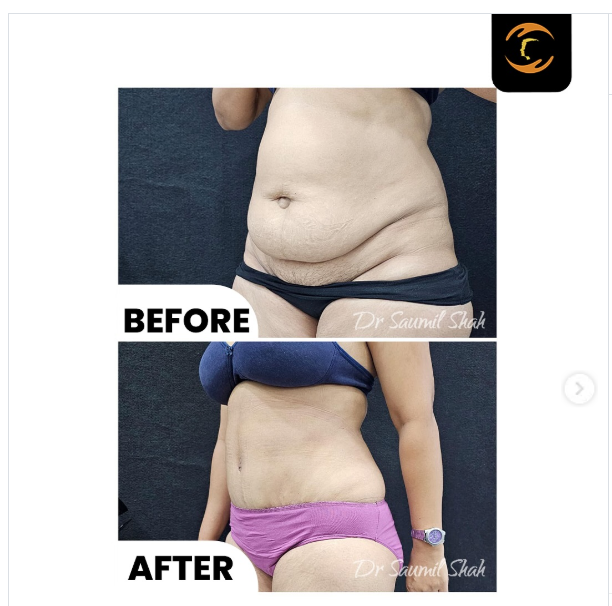
Repaired the umbilical hernia for structural integrity
→ Sculpted a defined waistline that enhances her natural curves
→ Restored core strength and improved posture
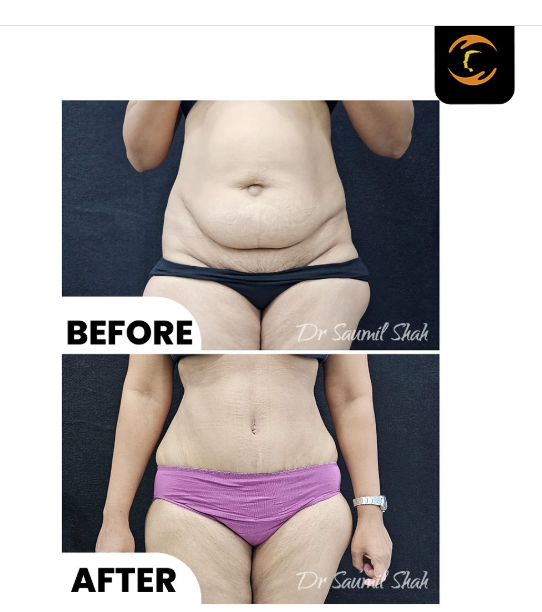
Repaired the umbilical hernia for structural integrity
→ Sculpted a defined waistline that enhances her natural curves
→ Restored core strength and improved posture
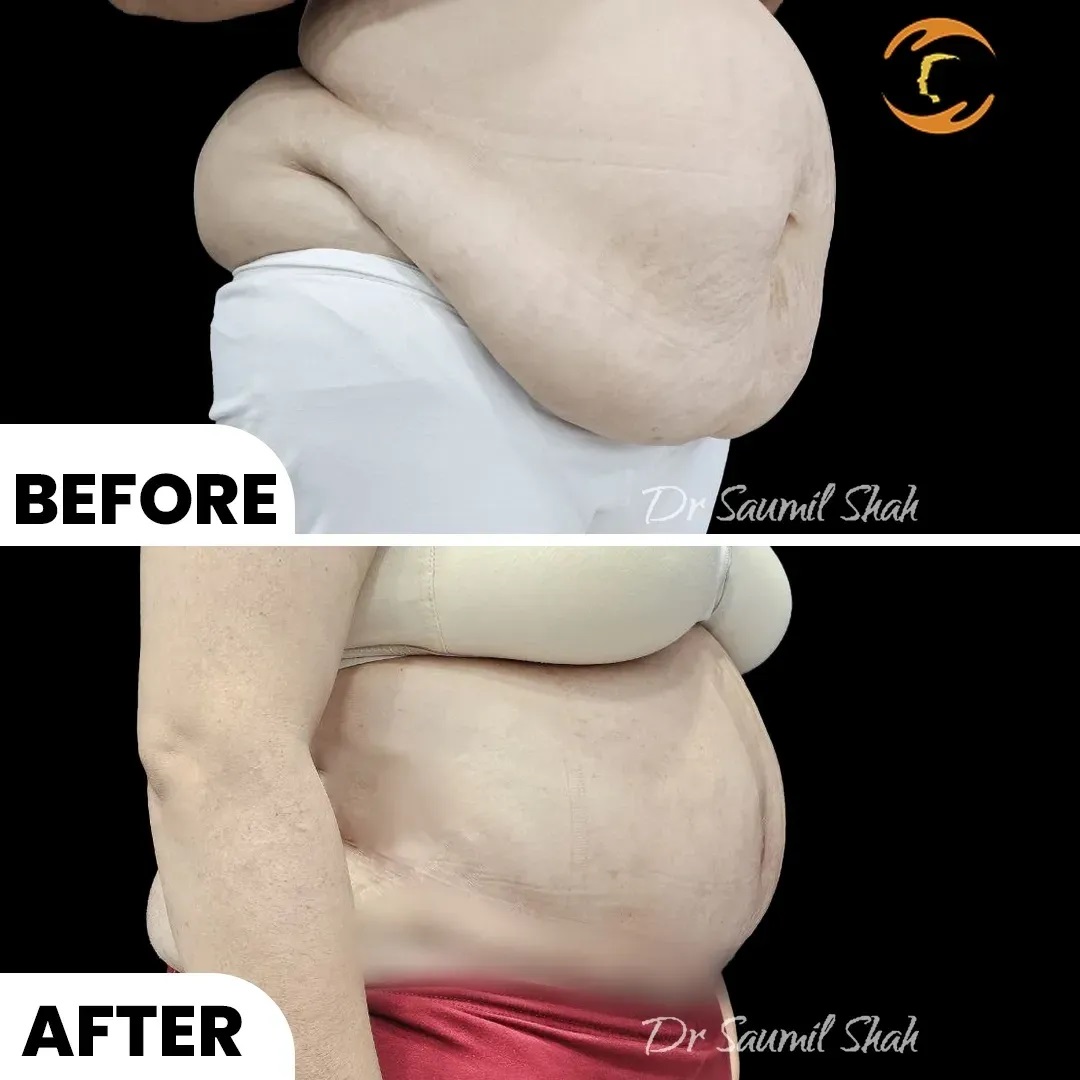
Remarkable transformation in tummy tuck procedure
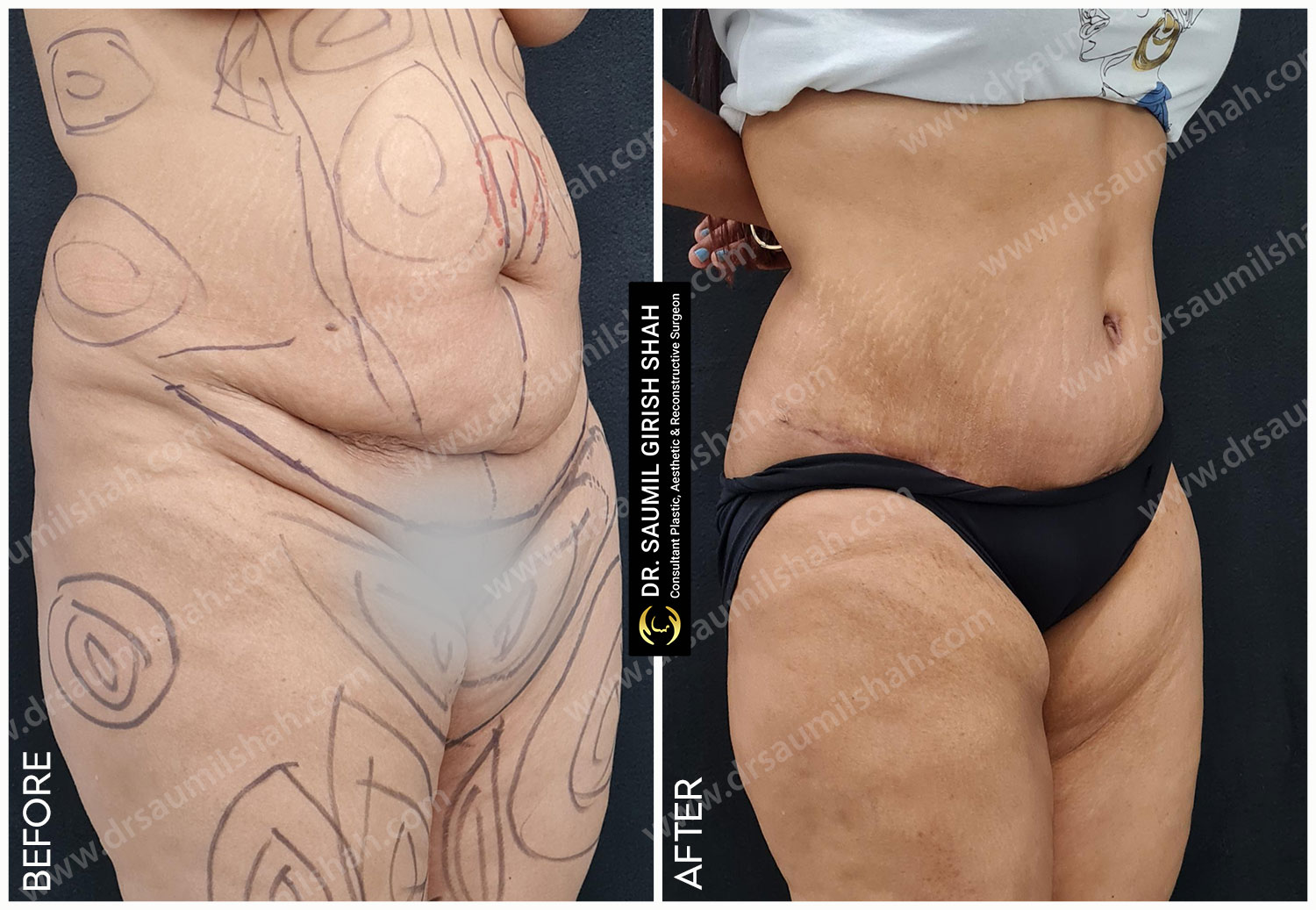
Woman's tummy tuck procedure, showcasing a transformed and tightened abdominal area for a more defined and revitalized appearance.
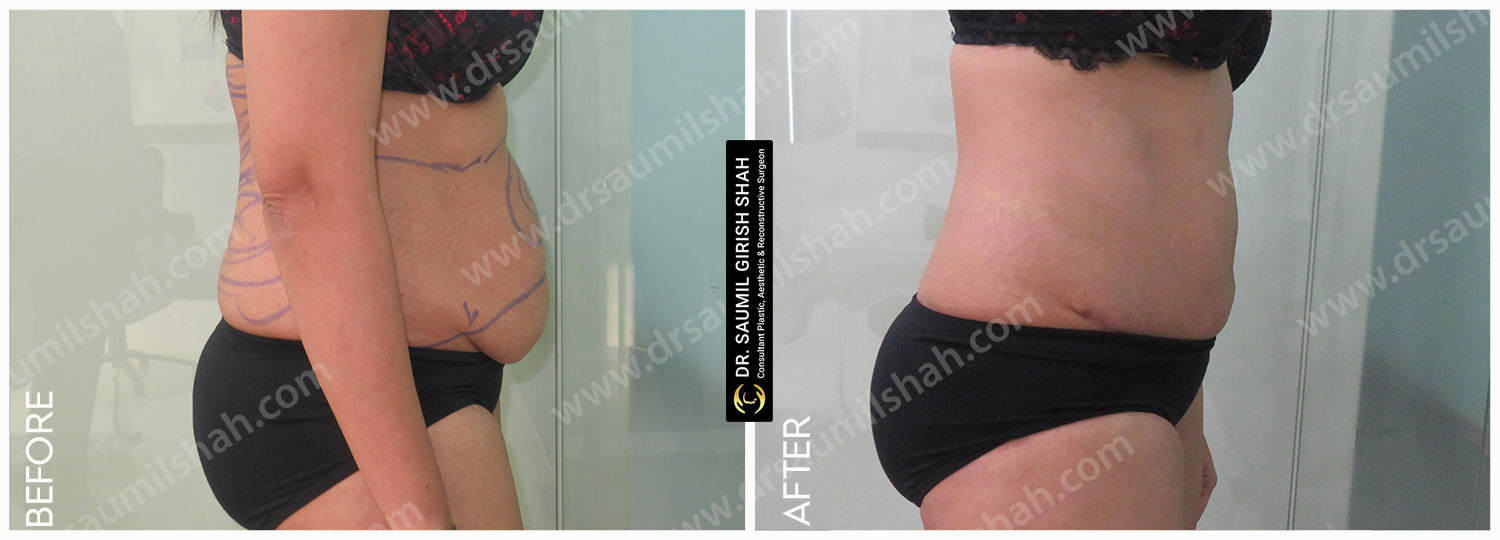
Side view of a female underwent tummy tuck surgery—revealing a more sculpted and refreshed tummy.
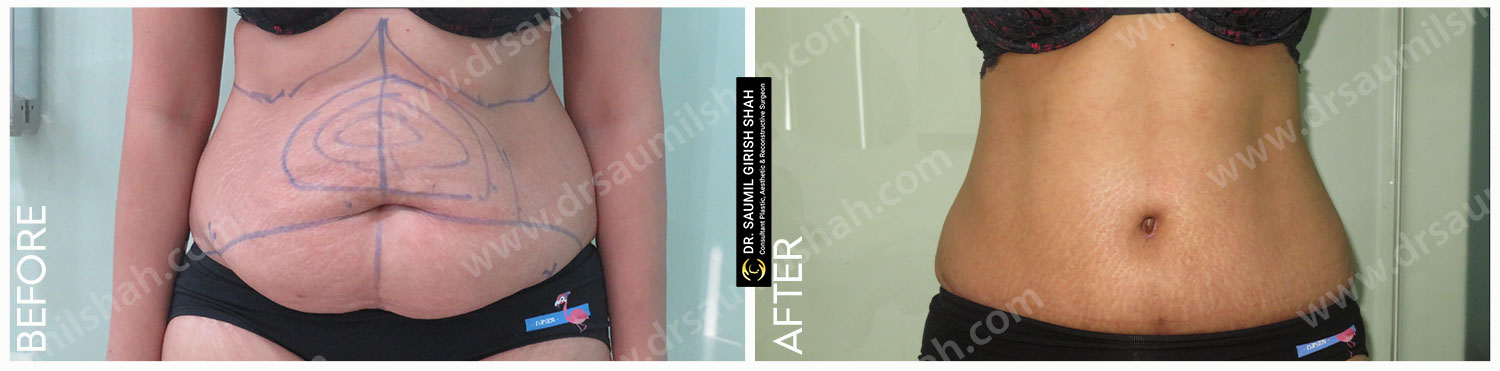
Front view of a female underwent tummy tuck surgery—revealing a more sculpted and refreshed tummy.
Tummy Tuck Cost in Mumbai
Understanding the cost of tummy tuck surgery is an important part of planning your treatment. The final price depends on the type of tummy tuck, amount of excess skin, surgical complexity, and whether additional procedures such as liposuction or abdominal muscle repair are required.
Tummy Tuck Surgery Cost in Mumbai
| Procedure / Pricing Reference | Indicative Cost (INR) | International Reference (USD) |
|---|---|---|
| Abdominoplasty / Tummy Tuck | ₹1,50,000 – ₹3,00,000 | Approximately $1,900 – $3,100 |
The final cost may vary depending on:
Type of tummy tuck
Amount of excess skin
Need for abdominal muscle repair
Surgical complexity
Whether liposuction is performed simultaneously
Hospital and operating theatre charges
Anaesthesia
Medications and postoperative care
Follow-up requirements
The above figures are indicative and not a fixed quotation. A personalized treatment estimate is provided after consultation and depends on the individual surgical plan.
Transparent Pricing
At Dr. Saumil Shah's practice, patients receive a treatment estimate based on their individual surgical requirements. The quotation may include relevant components such as:
Surgeon's professional fee
Hospital charges
Operating theatre charges
Anaesthesia
Surgical requirements
Standard postoperative care
Follow-up consultations
The aim is to provide patients with a clear understanding of the expected treatment cost before proceeding with surgery.
International Patients
Dr. Saumil Shah also consults patients travelling to Mumbai for aesthetic and reconstructive procedures. International patients may receive treatment estimates in both INR and USD for convenience.
The quoted treatment cost may depend on the surgical plan, hospital stay, anaesthesia, investigations, and any additional procedures required. Accommodation, travel, visa, and other medical-tourism expenses are not necessarily included in the surgical estimate and should be confirmed separately.
International patients should confirm the current quotation and associated hospital and medical-tourism expenses before making travel arrangements.
Learn More Through Educational Videos
Educational videos can help patients understand different aspects of tummy tuck surgery before consultation.
These resources are intended to complement, rather than replace, an individual medical consultation.
 How to get rid of excess tummy fat and skin?
Related Tummy Tuck (Abdominoplasty) Shorts
Safety is paramount in any surgical journey. Dr. Saumil Shah outlines the crucial pre-operative steps, from medical evaluations to lifestyle adjustments, ensuring you are fully prepared.
Deciding between a tummy tuck and liposuction can be confusing. This educational guide breaks down the key differences and surgical goals helping you choose the best solution.
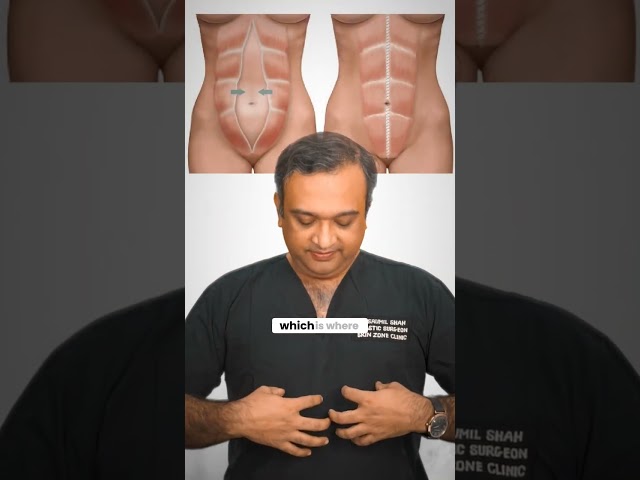
Experience the power of transformation through this real patient result. See how the removal of excess skin creates a significantly flatter, firmer, and more athletic abdominal profile.

Patient safety is vital for success. Dr. Saumil Shah explains the medical reasons why certain individuals may be advised against surgery for their long-term well-being.
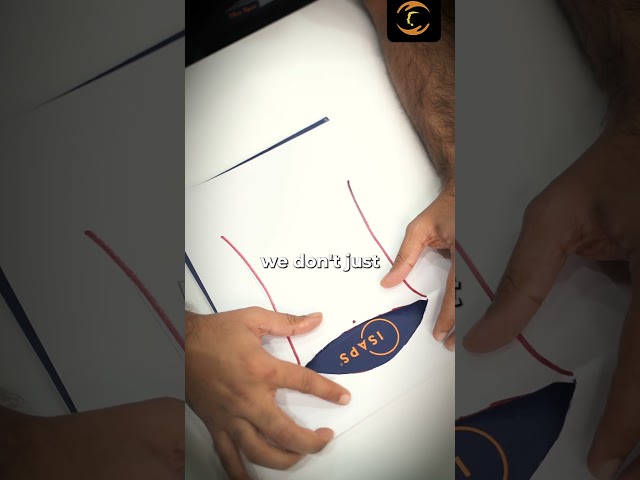
Address concerns about 'dog ears'—small folds of skin that can occur at the ends of an incision. Learn why they form and the precision methods used to achieve a smooth finish.
Tummy Tuck Surgery Overview
| Parameter | Details |
|---|---|
| Procedure: | Abdominoplasty / Tummy Tuck |
| Types: | Full, Mini & Extended Abdominoplasty |
| Surgery Duration: | Approximately 2–5 hours |
| Anaesthesia: | General anaesthesia; regional nerve blocks may be used where appropriate |
| Hospital Stay: | Usually 1–2 days |
| Initial Downtime: | Approximately 2–4 weeks, depending on the procedure and individual recovery |
| Return to Strenuous Exercise: | Usually several weeks, as advised by the surgeon |
| Swelling: | Gradually decreases over the first several weeks; residual swelling may persist for 3–6 months |
| Compression Garment: | May be recommended for several weeks |
| Results: | Progressive improvement as swelling settles |
| Indicative Cost: | ₹1,50,000–₹4,00,000 |
Individual treatment duration, recovery and results can vary according to the surgical plan.
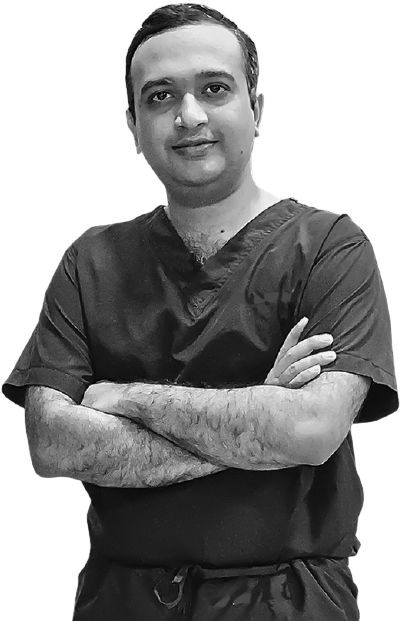
Why Choose Dr. Saumil Shah for Tummy Tuck Surgery in Mumbai?
Tummy tuck surgery requires careful assessment of the abdominal skin, underlying tissues, muscle condition, body proportions, and overall health. Choosing an appropriately trained plastic surgeon is an important part of planning the procedure.
MCh-Qualified Plastic Surgeon
Dr. Saumil Shah is a Plastic, Aesthetic & Reconstructive Surgeon in Mumbai. His medical training includes:
MBBS – KEM Hospital, Mumbai
MS in General Surgery – M.S. University
MCh in Plastic Surgery – Sion Hospital (LTMMC), Mumbai
His training and practice include aesthetic and reconstructive surgery, with a focus on individualized treatment planning.
Personalised Surgical Planning
Every tummy tuck is planned according to the patient's:
Amount and distribution of excess skin
Skin quality and elasticity
Abdominal muscle condition
Body proportions
Previous pregnancy or significant weight loss
Aesthetic goals and expectations
Depending on the patient's anatomy, options such as full, mini, or extended abdominoplasty may be considered. Liposuction may also be discussed where appropriate.
Focus on Natural Body Contours
The objective of abdominoplasty is not simply to remove as much skin or fat as possible. Surgical planning focuses on creating a smoother abdominal contour that remains proportionate to the waist, hips, and surrounding body.
Patient Safety & Surgical Care
Patient safety is considered throughout the surgical journey.
Depending on the patient's individual surgical and anaesthesia requirements, perioperative measures may include:
Regional nerve blocks: Techniques such as TAP blocks may be used as part of a multimodal approach to postoperative pain management.
DVT prevention: Sequential compression devices or DVT pumps may be used to help reduce the risk of blood clots.
Temperature management: Surgical warming systems may be used during surgery to help maintain appropriate body temperature.
Appropriate monitoring: Preoperative assessment and intraoperative monitoring are planned according to the patient's health and surgical requirements.
Postoperative follow-up: Recovery is monitored through follow-up appointments and individualized instructions.
Procedures are performed in appropriately equipped hospital settings, including NABH-accredited hospital facilities, where applicable to the surgical plan.
Comprehensive Postoperative Care
Recovery does not end when the surgery is completed. Patients receive guidance regarding wound care, mobility, medications, compression garments where recommended, activity restrictions, and follow-up appointments.
The recovery plan is individualized according to the procedure performed and the patient's progress.
Crisalix 3D Consultation
Where appropriate, patients can use Crisalix 3D simulation during consultation to help visualize potential changes before surgery.
The simulation is an educational and planning tool rather than a guarantee of the exact postoperative result.
Transparent Treatment Planning
Before proceeding with surgery, patients can discuss the proposed procedure, expected recovery, potential risks, scar placement, additional treatment options, and estimated costs.
The aim is to ensure that patients have a clear understanding of their treatment plan before making an informed decision.
Schedule Your Consultation
Tummy tuck surgery is a highly personalised body-contouring procedure. The right approach depends on your abdominal anatomy, skin quality, muscle condition, weight stability, and individual goals.
During your consultation, Dr. Saumil Shah will evaluate your concerns, explain the available options, discuss the expected recovery and risks, and develop a treatment plan appropriate for you.
If you are considering Tummy Tuck Surgery in Mumbai, schedule a consultation with Dr. Saumil Shah to understand whether abdominoplasty is suitable for your goals and what results may realistically be achieved.
Our other Cosmetic Surgery Services in Mumbai:
Gynecomastia Surgery in Mumbai | Tummy Tuck Surgery in Mumbai | Liposuction Surgery in Mumbai | Breast Augmentation Surgery In Mumbai | Breast Reduction Surgery in Mumbai | Rhinoplasty in Mumbai | Brazilian Butt Lift Surgery in Mumbai | Botox Treatment in Mumbai | Derma Filler Treatment in Mumbai | Thread Lift Surgery in Mumbai | Eye Brow Lift Surgery in Mumbai | Lip Augmentation Surgery in Mumbai | Neck Lift Surgery in Mumbai | Lower Body Lift Surgery in Mumbai | Upper Body Lift Surgery in MumbaiDr. Saumil Shah, a Board-Certified Plastic Surgeon in Mumbai, specializes in Rhinoplasty, Facelift, Breast Surgery, Tummy Tuck, and Liposuction, known for delivering consistent, excellent results.
© Dr. Saumil Shah | All Rights Reserved