Gynecomastia (Male Breast Removal)
Gynecomastia Surgery in Mumbai | Male Breast Reduction Surgery
A Personalised Approach to Creating a Flatter, More Balanced Chest
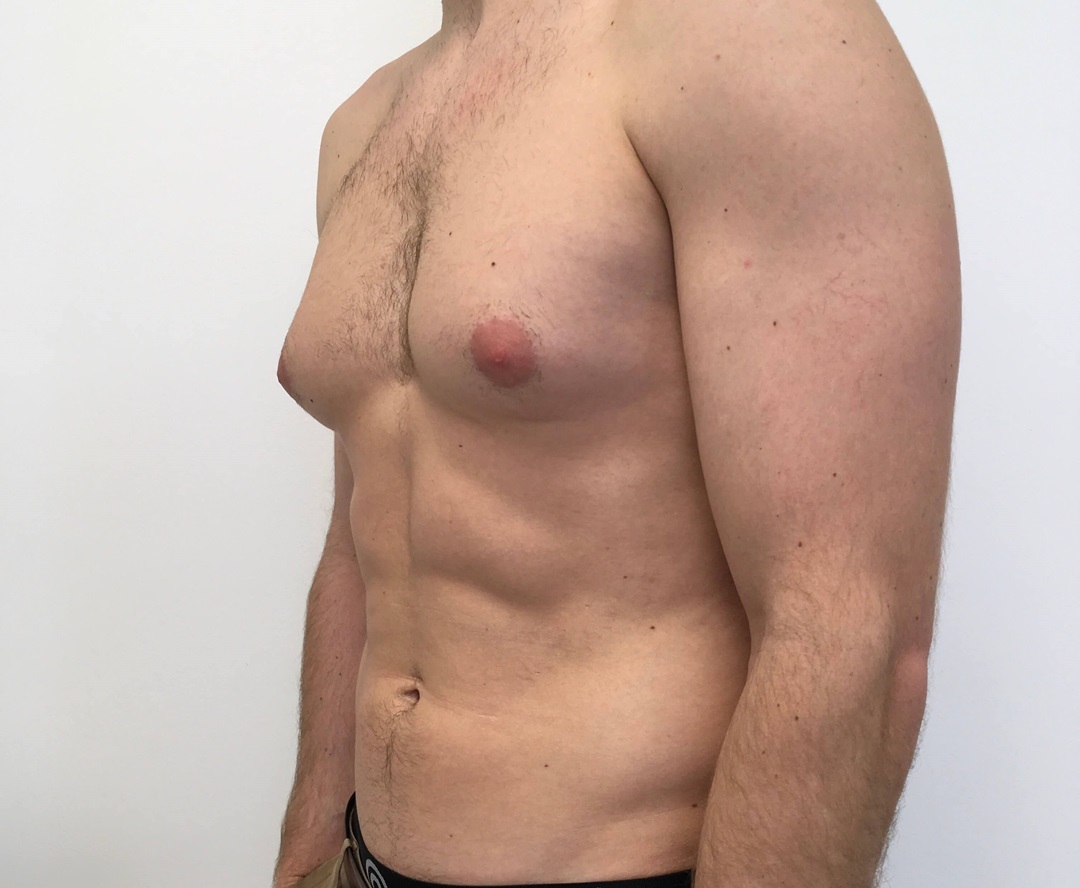
Gynecomastia is the enlargement of male breast tissue and may occur due to hormonal changes, genetics, weight gain, certain medications or other underlying factors. For some men, enlarged breasts can affect clothing choices, physical comfort and confidence.
Gynecomastia surgery, also known as male breast reduction surgery, is performed to reduce excess breast tissue and/or fat and improve the overall contour of the male chest.
Dr. Saumil Shah evaluates the amount and type of tissue present before recommending the appropriate surgical approach. Depending on the individual case, treatment may involve liposuction, glandular tissue removal, or a combination of techniques.
Gynecomastia Surgery – Quick Overview
| Treatment Detail | What to Expect |
|---|---|
| Procedure | Gynecomastia Surgery / Male Breast Reduction |
| Treatment Area | Male Chest |
| Surgery Time | Approximately 1–3 hours* |
| Anaesthesia | Based on the surgical plan and individual requirements |
| Techniques | Liposuction, glandular tissue excision or a combination |
| Hospital Stay | Same-day discharge in suitable cases* |
| Initial Recovery | Approximately 1–2 weeks* |
| Visible Improvement | Usually becomes more noticeable as swelling settles |
| Final Results | Develop progressively as healing continues |
| Compression Garment | Commonly recommended during the early recovery period |
| Results | Long-lasting when weight and relevant underlying factors remain stable |
| Gynecomastia Surgery Cost | ₹60,000–₹2,00,000* |
*Actual surgery time, recovery, discharge and cost vary according to the extent of gynecomastia, surgical technique and individual patient requirements.
What Is Gynecomastia?
Gynecomastia is a condition in which men develop enlarged breast tissue. The enlargement may involve glandular breast tissue, excess fat, or a combination of both.
Several factors can contribute to gynecomastia, including:
- Hormonal changes or imbalance
- Genetic factors
- Weight gain and excess body fat
- Certain medications
- Other medical or hormonal conditions
Not every enlarged male chest is caused by true gynecomastia. Some men have primarily excess fat in the chest area, sometimes referred to as pseudogynecomastia.
Understanding whether the enlargement is mainly caused by fat, glandular tissue or both is important when planning treatment.
Why Do Men Consider Gynecomastia Surgery?
Men may consider male breast reduction for both aesthetic and physical reasons.
Improved Chest Contour
Removing excess fat and/or glandular tissue can create a flatter and more proportionate chest.
Greater Confidence
Some men feel uncomfortable removing their shirts, wearing fitted clothing or participating in activities such as swimming and sports. Improving the chest contour may help them feel more comfortable.
Better Clothing Fit
Excess chest tissue can affect how shirts and fitted clothing sit on the body.
Physical Discomfort
Some men may experience tenderness, heaviness or discomfort associated with enlarged breast tissue.
Persistent Chest Enlargement
Diet and exercise can help reduce overall body fat, but established glandular breast tissue may not respond to weight loss alone. Surgery may be considered when persistent enlargement remains.
Who Is a Good Candidate for Gynecomastia Surgery?
Gynecomastia surgery may be considered for men who:
- Have persistent enlargement of the male breast or chest
- Are in generally good health
- Have a relatively stable weight
- Have realistic expectations from surgery
- Feel bothered by the appearance or physical symptoms
- Are willing to follow postoperative instructions
- Do not have an untreated medical or hormonal condition contributing to the enlargement
If significant weight fluctuation or an underlying hormonal problem is present, these factors may need to be addressed before surgery.
Understanding Gynecomastia Grades
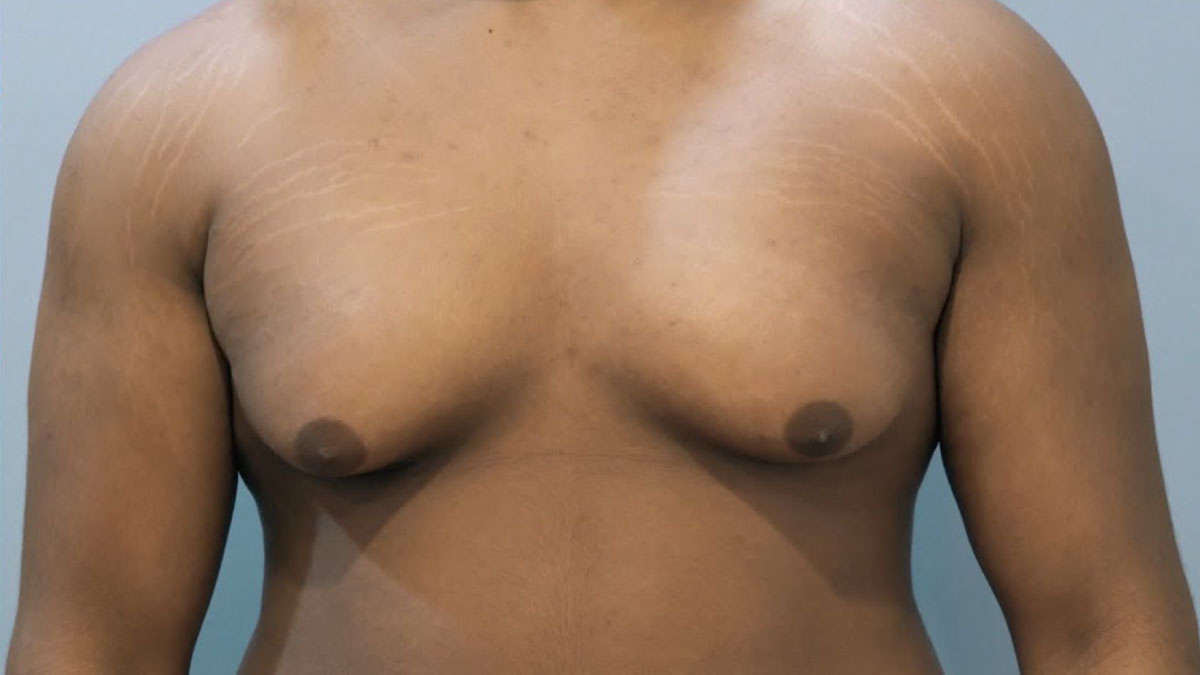
Gynecomastia can vary in severity from one person to another. The current page describes three broad grades:
Grade I
Mild enlargement with relatively limited excess tissue.
Grade II
More noticeable enlargement with a greater amount of glandular and/or fatty tissue.
Grade III
More significant enlargement that may be accompanied by excess skin and some degree of chest sagging.
The grade of gynecomastia can help with treatment planning, although the actual surgical approach also depends on fat distribution, glandular tissue, skin quality, nipple position and overall chest shape.
Gynecomastia vs Excess Chest Fat
An enlarged male chest is not always caused by glandular gynecomastia.
Predominantly Excess Fat
When the enlargement is primarily due to fatty tissue, liposuction may be an important part of treatment.
Glandular Gynecomastia
Firm glandular tissue beneath the nipple or areola may require surgical removal because liposuction alone may not adequately address it.
Combination of Fat and Glandular Tissue
Many patients have both fatty and glandular components. In these cases, liposuction may be combined with glandular tissue excision.
A clinical examination is required to determine the appropriate treatment.
How Is Gynecomastia Surgery Performed?
The surgical technique is selected according to the patient's chest anatomy and the amount and type of excess tissue.
1. Anaesthesia
The appropriate form of anaesthesia is selected according to the planned procedure and individual requirements.
2. Liposuction
Small access points may be used to remove excess fatty tissue and improve the overall chest contour.
3. Glandular Tissue Removal
When firm glandular tissue remains beneath the nipple or around the areola, direct surgical excision may be required.
4. Chest Contouring
The remaining tissue is carefully contoured to create a more balanced and proportionate chest.
5. Incision Closure
The incisions are closed and dressings or compression garments may be applied according to the surgical plan.
Liposuction vs Glandular Tissue Removal
| Treatment Approach | Generally Used For |
|---|---|
| Liposuction | Predominantly fatty tissue |
| Glandular Excision | Firm glandular tissue that cannot be adequately treated with liposuction alone |
| Combination Approach | Patients with both excess fat and glandular tissue |
| Skin Excision | Selected cases with significant skin excess or sagging |
The final treatment approach should be determined after examination and consultation.
OCCULT Technique for Gynecomastia
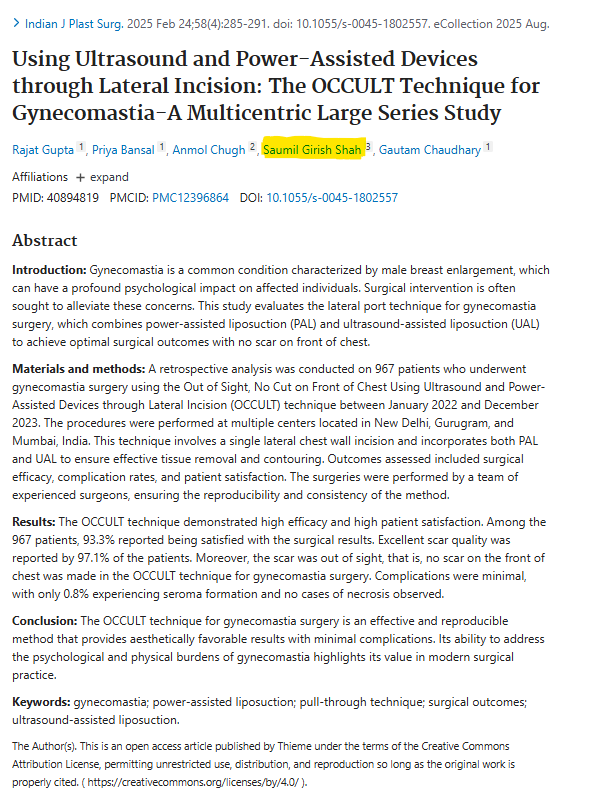
The current page also features the OCCULT technique, a specialised approach to selected cases of gynecomastia.
The technique combines ultrasound-assisted liposuction (UAL) and power-assisted liposuction (PAL) through a discreet lateral chest access point. The current page also references a published study titled “Using Ultrasound and Power-Assisted Devices through Lateral Incision: The OCCULT Technique for Gynecomastia — A Multicentric Large Series Study.”
The approach is designed to allow treatment through discreet access points while addressing excess fatty tissue and improving chest contour.
However, the OCCULT technique is not suitable for every patient. The presence of significant glandular tissue or excess skin may require additional surgical treatment.
OCCULT Technique vs Conventional Gynecomastia Surgery
| Feature | OCCULT Technique | Conventional Approach |
|---|---|---|
| Access | Discreet lateral access | Depends on the surgical technique |
| Liposuction | UAL + PAL | Conventional liposuction may be used |
| Glandular Tissue | May require additional excision | Excision can be performed when required |
| Scarring | Designed to keep access points discreet | Depends on the technique used |
| Suitable For | Selected patients | Can be used for a wider range of cases |
The term “scarless” should not be interpreted as meaning that there will be absolutely no visible scar. Individual scar formation varies.
Consultation and Personalised Surgical Planning
Every case of gynecomastia is different.
During consultation, Dr. Saumil Shah can assess:
- Amount of breast enlargement
- Fat distribution
- Glandular tissue
- Skin quality and elasticity
- Nipple and areola position
- Chest symmetry
- Weight stability
- Relevant medical history
- Previous treatments or surgery
- Individual aesthetic goals
This assessment helps determine whether liposuction, glandular tissue removal, a combination approach or another treatment strategy is appropriate.
Preparing for Gynecomastia Surgery
Before surgery, patients may be advised to:
- Complete recommended medical evaluation and investigations
- Inform the surgical team about medications and supplements
- Avoid smoking and nicotine as advised
- Follow medication instructions provided before surgery
- Arrange transportation if required
- Prepare comfortable clothing for the recovery period
- Follow all preoperative instructions provided by the surgical team
Recovery After Gynecomastia Surgery
Recovery varies depending on the extent of surgery and individual healing.
First Few Days
Swelling, bruising, tightness and discomfort can occur during the early recovery period.
Compression Garment
A compression garment may be recommended to support the treated area and help manage swelling.
Physical Activity
Light walking may be encouraged, while strenuous exercise and heavy lifting should be avoided until the surgeon advises that it is safe to resume them.
Follow-Up
Follow-up appointments help the surgical team monitor healing and address any concerns.
Scars After Gynecomastia Surgery
The appearance and location of scars depend on the surgical technique used.
- Liposuction generally requires small access points.
- Glandular tissue removal may require an incision around or near the areola.
- Skin removal, when necessary, may require a longer incision depending on the amount of excess skin.
Scars gradually change as they mature, but the final appearance varies from person to person.
During consultation, Dr. Saumil Shah can explain the expected incision location based on your individual treatment plan.
Results of Gynecomastia Surgery
The chest may appear different soon after surgery, but the final result develops progressively as swelling decreases and the tissues heal.
The current page indicates that visible improvement may be seen around 3–4 weeks, with final results developing over approximately 3–6 months.
Results are generally long-lasting when a stable weight is maintained and relevant underlying factors are appropriately managed.
Significant weight gain, hormonal changes or other contributing factors may affect the appearance of the chest over time.
Can Gynecomastia Come Back After Surgery?
Recurrence after appropriate treatment is uncommon, but new chest enlargement can occur in certain circumstances.
Possible contributing factors include:
- Significant weight gain
- Hormonal changes
- Certain medications
- Untreated underlying medical conditions
Identifying potential causes before surgery can therefore be an important part of treatment planning.
Risks and Considerations
Like any surgical procedure, gynecomastia surgery has potential risks.
These may include:
- Bleeding or collection of blood
- Infection
- Swelling and bruising
- Changes in nipple or skin sensation
- Visible or noticeable scarring
- Contour irregularities
- Chest asymmetry
- Changes in nipple position
- Fluid collection
- Need for revision surgery in selected cases
These risks and their relevance to your individual case should be discussed during consultation.
Why Choose Dr. Saumil Shah for Gynecomastia Surgery in Mumbai?

Plastic Surgery Training
Dr. Saumil Shah completed his MBBS from KEM Hospital, General Surgery training at M.S. University and Plastic Surgery training at Sion Hospital in Mumbai, according to the current website content.
Individualised Treatment Planning
Gynecomastia can involve different combinations of fat, glandular tissue and excess skin. Treatment is therefore planned according to the patient's individual anatomy rather than using one technique for every case.
Multiple Surgical Approaches
Depending on the case, treatment may involve liposuction, glandular tissue excision or a combination of techniques. The current page also features the OCCULT technique for selected patients.
Focus on Chest Contouring
The goal is to reduce excess tissue while creating a balanced chest contour that fits naturally with the patient's body.
Surgical Safety Measures
The current website describes measures such as nerve blocks, DVT pumps, warming systems and treatment in an NABH-accredited hospital.
Postoperative Guidance
Patients receive instructions regarding compression, activity, wound care and follow-up during the recovery process.
Gynecomastia Before & After
Before-and-after photographs can help patients understand the type of chest contouring that may be possible following gynecomastia surgery.
The current page contains multiple before-and-after photographs showing different views and stages of results.
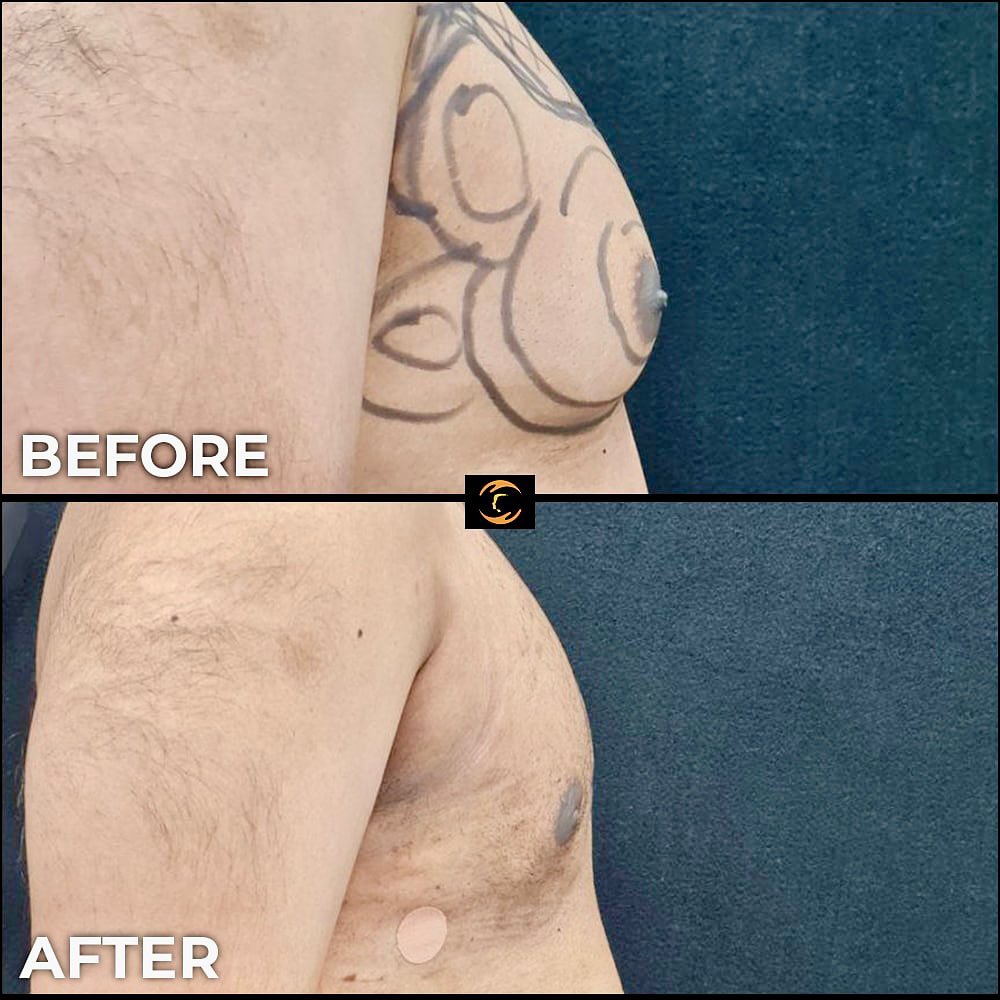
Right side view of our patient's successful outcome of the gynecomastia procedure, offering a more masculine and balanced appearance
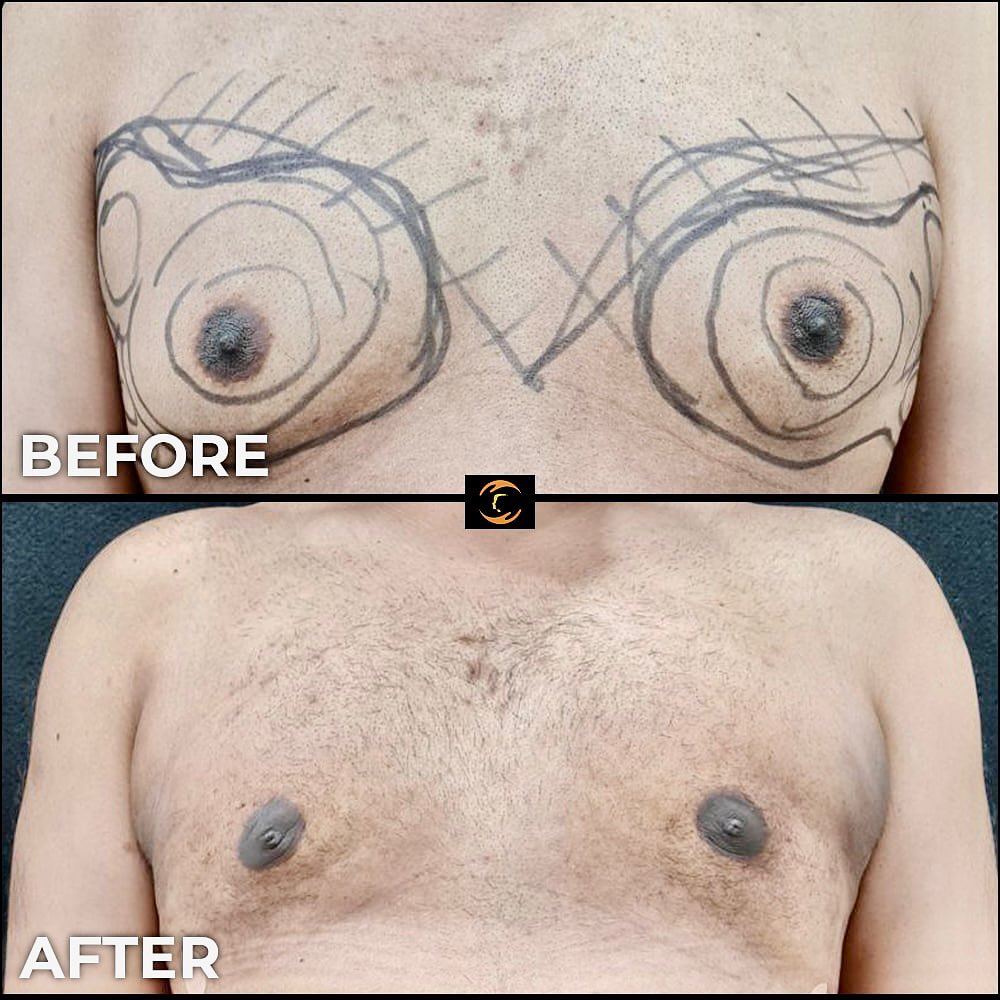
Front view of our patient's successful outcome of the gynecomastia procedure, offering a more masculine and balanced appearance
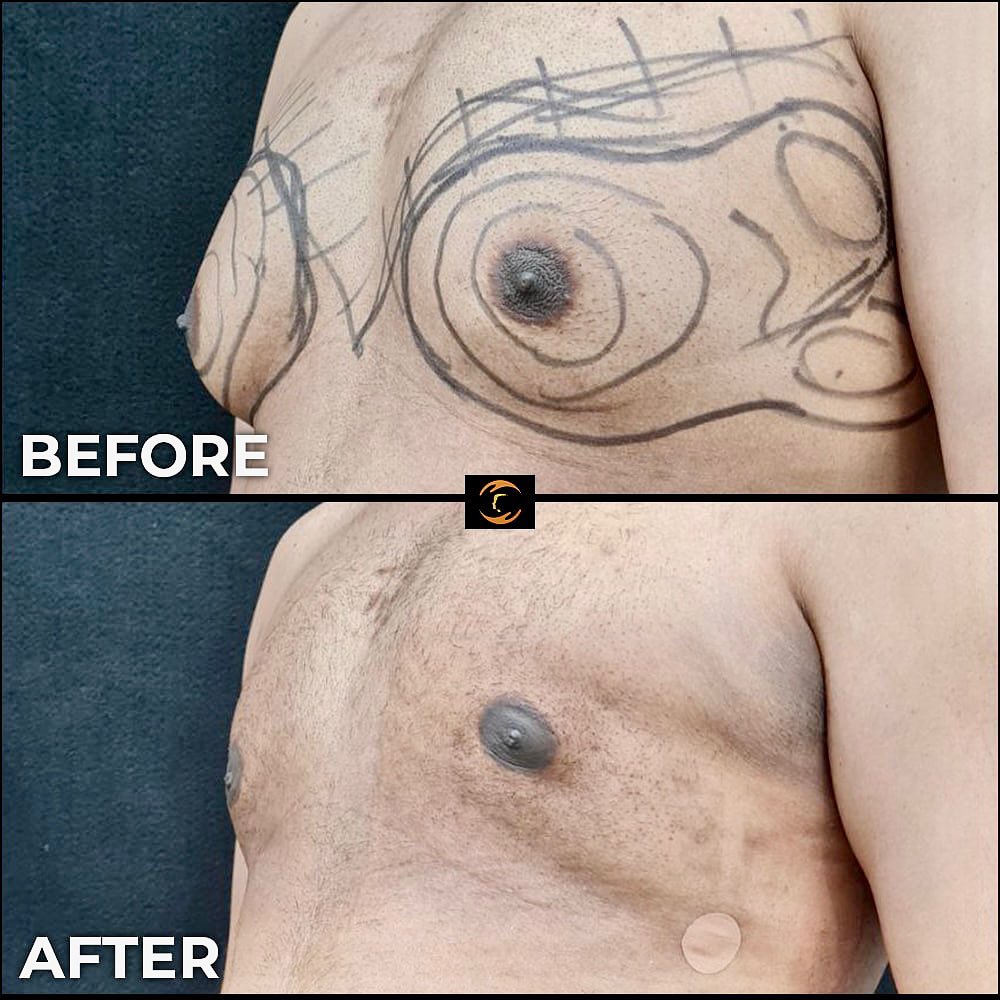
Left side view of our patient's successful outcome of the gynecomastia procedure, offering a more masculine and balanced appearance
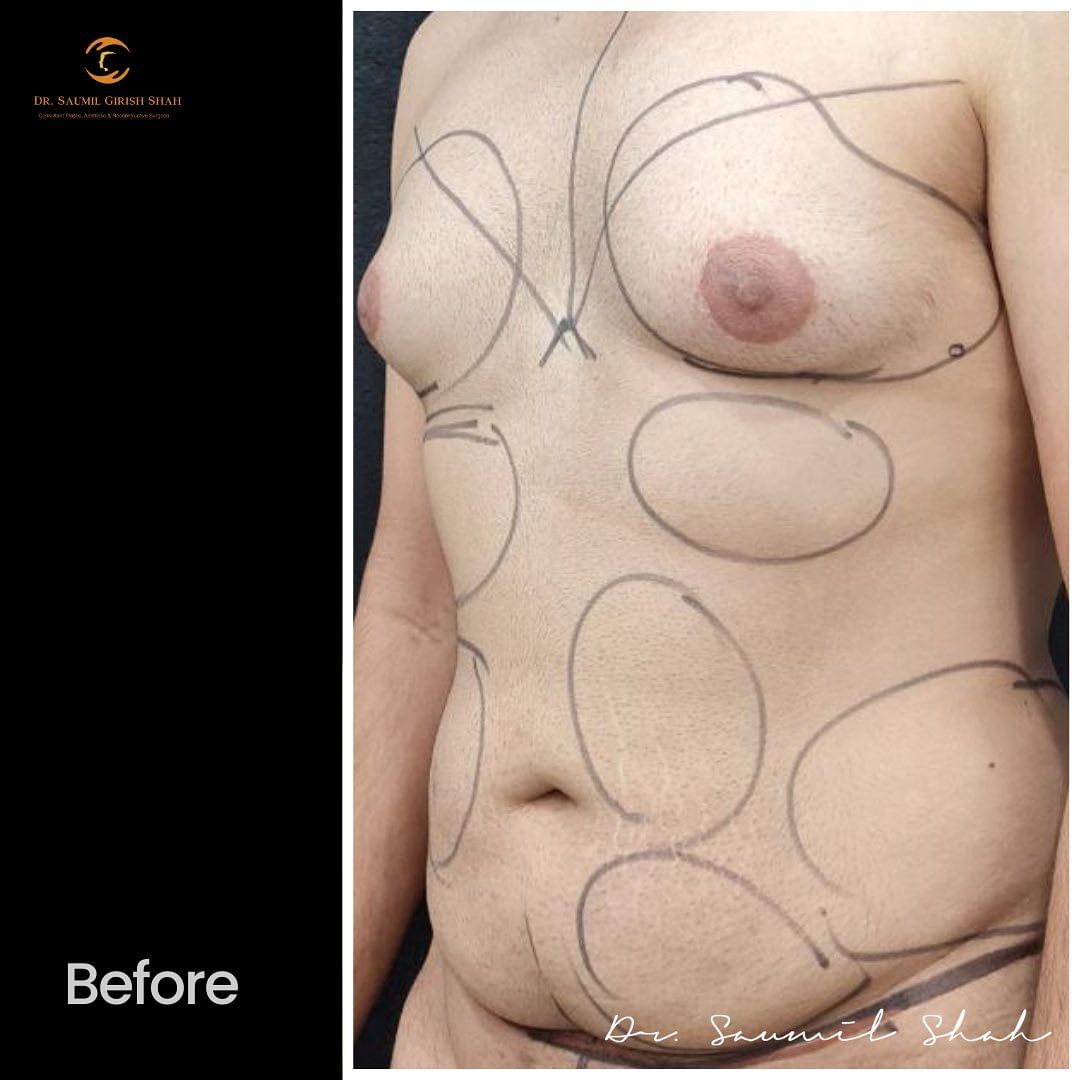
Patients pre preparation image for operating Male Gynecomastia Surgery.
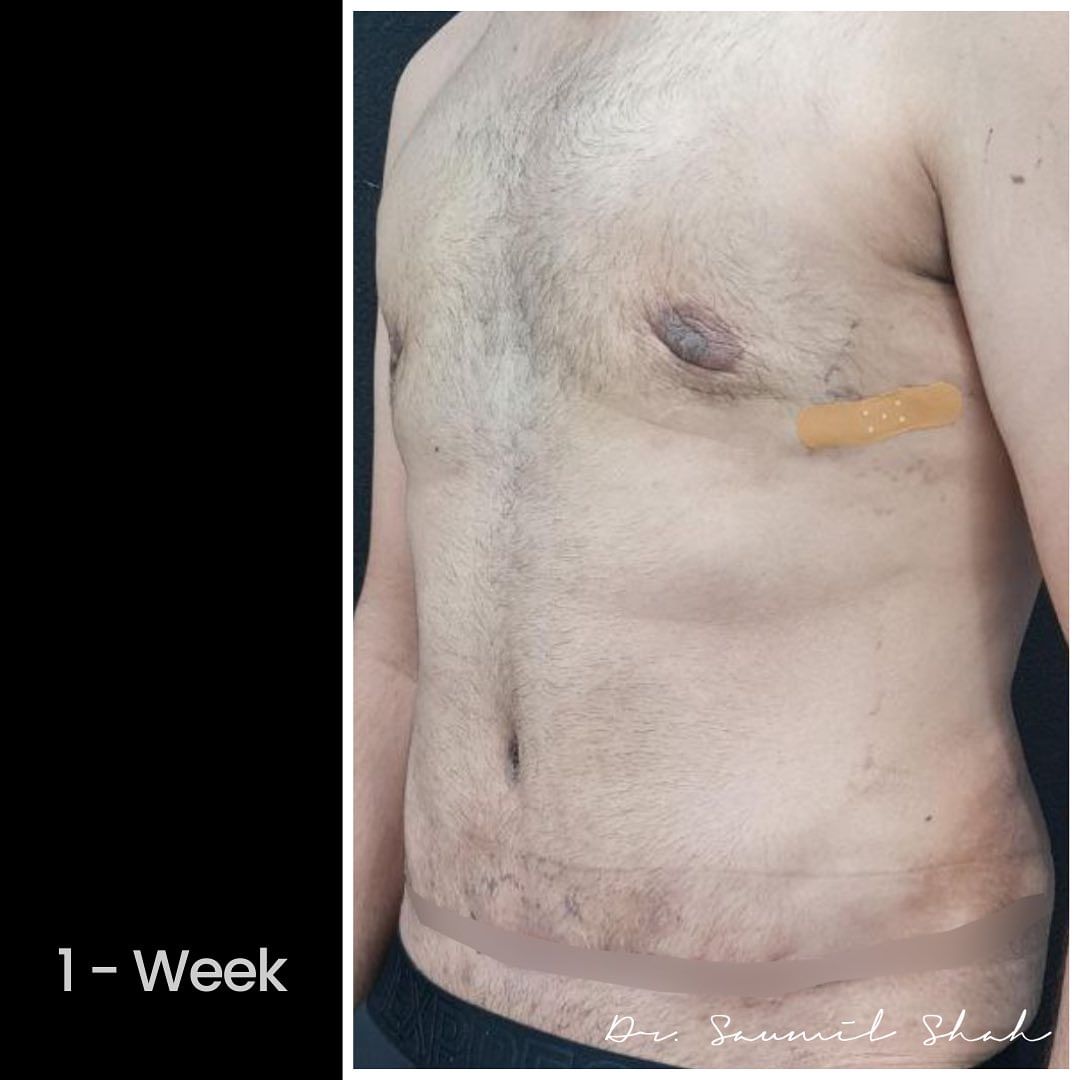
1 week after the surgery image where the excess breast tissue has been removed, resulting in a more masculine and contoured chest.
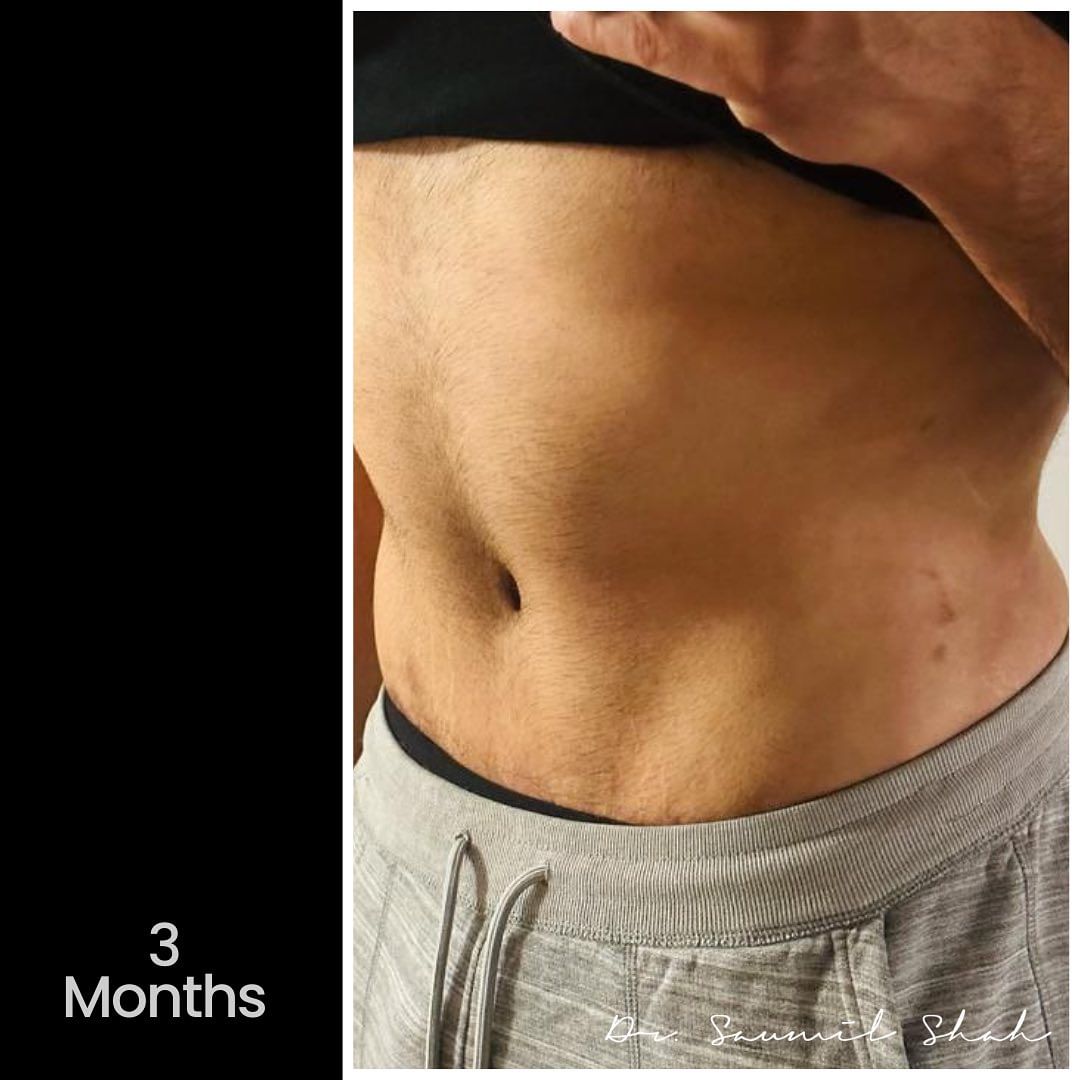
Improvement in chest appearance and overall symmetry after 3 months of surgery for gynecomastia.
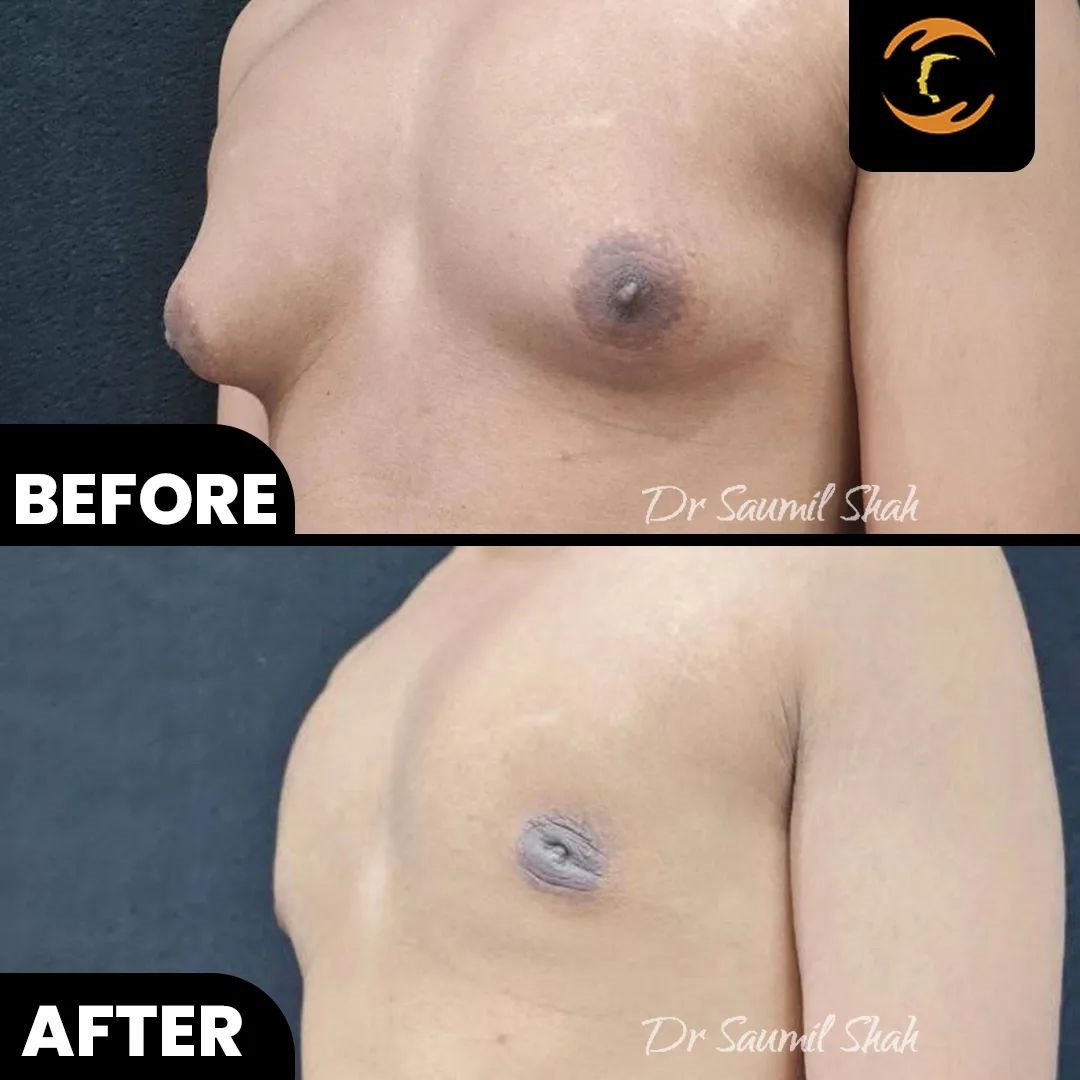
Transformation after operating Male Gynecomastia Surgery
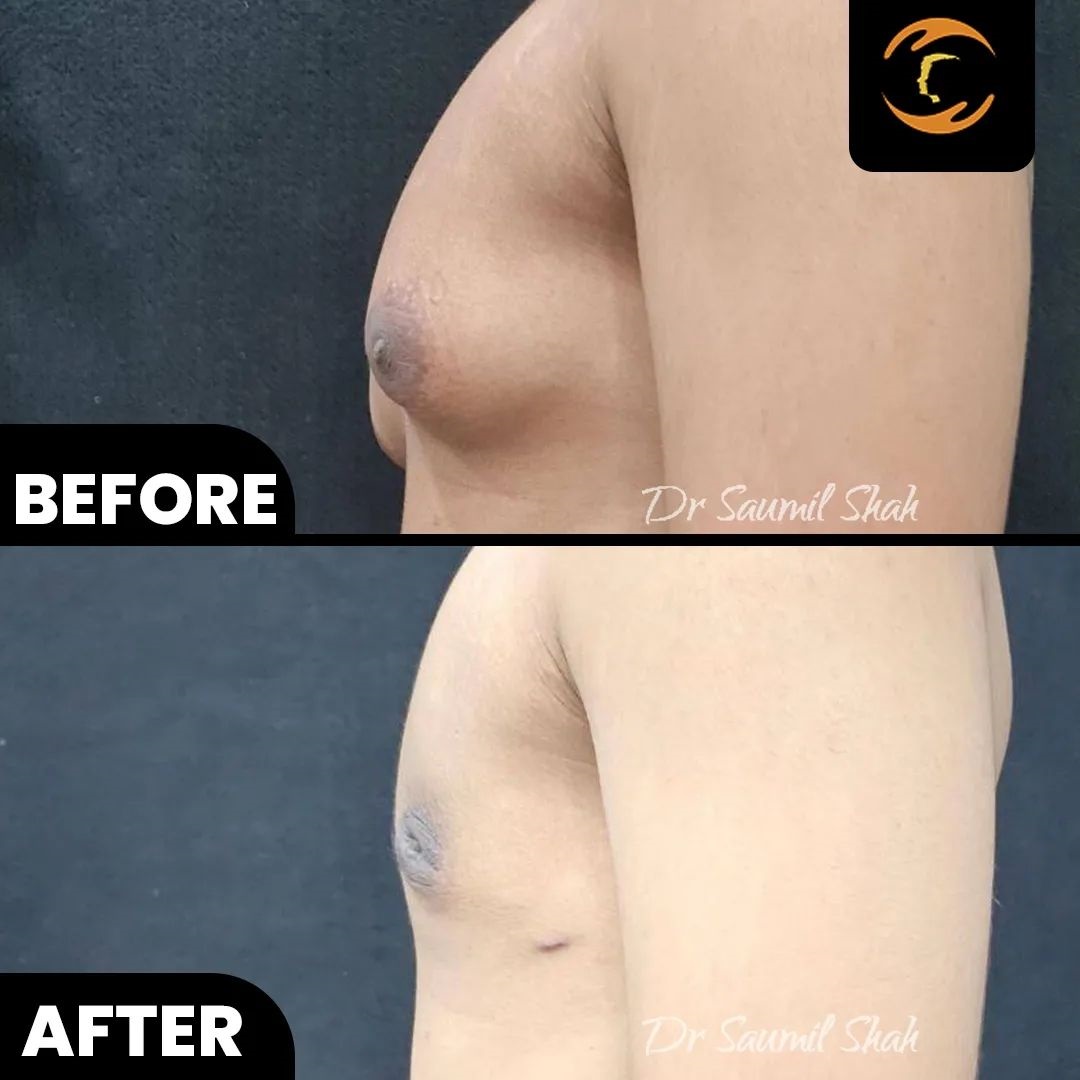
Side view of transformation after operating Male Gynecomastia Surgery
Loved these transformations? Yours can be next.
Chat on WhatsAppWatch: Gynecomastia Surgery Videos
Watch our educational video library by Dr. Saumil Shah to understand gynecomastia, treatment options, post-surgery care, and real patient stories.
गाइनेकोमेस्टिया क्या है? | What is Gynaecomastia?
What is Gynaecomastia? Treatment & Post-Surgery Care Explained
How to Get Rid of Man Boobs: Gynecomastia Surgery
Post Surgery Care for Gynaecomastia
Common Questions About Breast Reduction Surgery | Dr. Saumil Shah
Male Breast Reduction Surgery (Gynecomastia) | Real Story, Real Struggle, Real Solution!
Gynecomastia Patient Journey | Dr Saumil Shah
Gynecomastia Surgery Cost in Mumbai
The actual cost varies from patient to patient depending on the extent of gynecomastia and the surgical approach required.
| Treatment / Factor | Cost |
|---|---|
| Gynecomastia Surgery / Male Breast Reduction | ₹60,000–₹2,00,000 |
| Liposuction + Glandular Tissue Removal | Based on individual treatment plan |
| Extensive Gynecomastia With Skin Excess | Based on individual treatment plan |
| OCCULT Technique | Confirm during consultation |
What Can Affect the Cost?
The final treatment cost may depend on:
- Amount of excess fat
- Amount of glandular tissue
- Degree of skin excess
- Surgical technique
- Whether liposuction and excision are combined
- Anaesthesia
- Hospital and facility charges
- Postoperative requirements
- Whether additional procedures are required
A personalised estimate can be provided after consultation.

Bhavik Vyas

Jas Varyani
Heetesh Shah
Preeti Oak
Frequently Asked Questions About Gynecomastia Surgery
1. What causes gynecomastia?
Gynecomastia can be associated with hormonal changes, genetics, weight gain, certain medications or other medical conditions. An appropriate evaluation can help identify possible contributing factors.
2. Is gynecomastia surgery painful?
Some discomfort, tightness and swelling are expected after surgery. Pain can generally be managed with medications and postoperative care prescribed by the surgical team.
3. How long does it take to recover from gynecomastia surgery?
Initial recovery is generally around 1–2 weeks, while swelling and tissue healing continue for several weeks. The existing page states that most patients can return to normal activities within a few weeks.
4. Are the results of gynecomastia surgery permanent?
Results are generally long-lasting, particularly when a stable weight is maintained and relevant underlying causes are addressed.
5. Can gynecomastia come back after surgery?
Recurrence is uncommon but may occur following significant weight gain, hormonal changes or other contributing factors.
6. Will gynecomastia surgery leave scars?
Some scarring is possible. Liposuction generally uses small access points, while glandular tissue removal may require an incision around or near the areola.
7. Can exercise get rid of gynecomastia?
Exercise can help reduce overall body fat but cannot reliably remove established glandular breast tissue. A consultation can determine whether the enlargement is mainly fat, glandular tissue or a combination.
8. What anaesthesia is used for gynecomastia surgery?
The type of anaesthesia depends on the surgical plan and individual circumstances. The current page mentions both local and general anaesthesia in its procedure information, while its FAQ states that general anaesthesia is typically used. This should be confirmed for the individual patient during consultation.
9. Can gynecomastia surgery be combined with liposuction?
Yes. Liposuction may be combined with glandular tissue removal when both excess fat and glandular tissue are present.
10. What is the OCCULT technique?
The OCCULT technique described on the current page combines ultrasound-assisted liposuction and power-assisted liposuction through a discreet lateral chest access point. It is intended for selected patients depending on their anatomy and tissue composition.
11. How much does gynecomastia surgery cost in Mumbai?
The current website lists the cost of gynecomastia surgery as ₹60,000–₹2,00,000. The final cost depends on the patient's anatomy, surgical technique and treatment requirements.
12. How should I prepare for gynecomastia surgery?
Preparation may include medical tests, medication adjustments, avoiding smoking or nicotine, arranging transportation and following the specific instructions provided by the surgical team.
Related Procedures
Depending on individual goals, gynecomastia surgery may be considered alongside other body-contouring procedures.
Related procedures:
Schedule a Consultation
Choosing the right treatment for gynecomastia starts with understanding the underlying cause and determining whether the enlargement is primarily due to fat, glandular tissue, excess skin or a combination.
During a consultation, Dr. Saumil Shah can assess your chest anatomy, medical history and aesthetic goals and recommend an appropriate treatment approach.
Our other Cosmetic Surgery Services in Mumbai:
Tummy Tuck Surgery in Mumbai | Liposuction Surgery in Mumbai | Breast Augmentation Surgery In Mumbai | Breast Reduction Surgery in Mumbai | Rhinoplasty Surgery in Mumbai | Brazilian Butt Lift Surgery in Mumbai | Botox Treatment in Mumbai | Derma Filler Treatment in Mumbai | Thread Lift Surgery in Mumbai | Eye Brow Lift Surgery in Mumbai | Lip Augmentation Surgery in Mumbai | Neck Lift Surgery in MumbaiDr. Saumil Shah, a Board-Certified Plastic Surgeon in Mumbai, specializes in Rhinoplasty, Facelift, Breast Surgery, Tummy Tuck, and Liposuction, known for delivering consistent, excellent results.
© Dr. Saumil Shah | All Rights Reserved